Home Automation for Beginners: A Simple Guide to Smart Living
Creating a smarter home is no longer a futuristic idea. Today, it’s a simple and accessible way to improve comfort, convenience, and everyday living. Whether you're just curious or ready to explore, this guide will help you understand how home automation works and how to get started with confidence.
What is Home Automation?
Home automation refers to using technology to control and manage household devices automatically or remotely. These systems connect everyday items like lights, thermostats, and security tools into one smart home system.
Instead of manually switching things on or off, you can control them through your smartphone, voice commands, or preset schedules. This is what makes home automation smart home setups both practical and efficient.
How Does a Smart Home System Work?
A smart home system connects devices through a central platform. These devices communicate using Wi-Fi, Bluetooth, or specialized protocols.
Here’s how it typically works:
- Devices (like smart lights or cameras) connect to your network
- A control hub or app manages all devices
- You control everything remotely or automate routines
This system allows seamless control over multiple smart home automation devices from one place.
Key Types of Smart Home Automation Devices
Understanding the types of devices available helps you build a system that suits your lifestyle. You don’t need everything at once—start small and expand gradually.
Smart Lighting Systems
Smart lighting system setups are among the easiest ways to begin.
Smart lights for home allow you to:
- Adjust brightness and color
- Set schedules for turning lights on/off
- Control lighting remotely
They are especially useful for saving energy and enhancing ambiance.
Smart Security Devices
Security is one of the most popular reasons people explore home automation systems.
Common devices include:
- Smart cameras
- Motion sensors
- Smart door locks
These tools help you monitor your home in real-time and receive alerts when something unusual happens.
Smart Climate Control
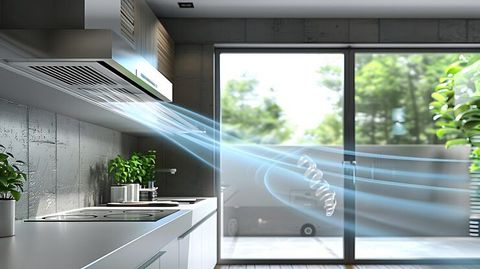
Devices like smart thermostats and fans help maintain a comfortable environment.
They can:
- Automatically adjust temperature
- Learn your preferences over time
- Optimize energy usage
This makes your home more efficient without constant manual adjustments.
Benefits of a Smarter Home
Adopting home automation offers several everyday advantages. While it may seem complex at first, the benefits are straightforward and practical.
Convenience and Comfort
With a smart home system, you can control multiple devices with a single tap or voice command. Simple actions like turning off lights or adjusting temperature become effortless.
Energy Efficiency
Smart lighting system and climate devices help reduce unnecessary energy usage. Scheduling and automation ensure devices only run when needed.
Improved Security
Smart home automation devices enhance safety by providing real-time monitoring and alerts. You can check your home from anywhere, which adds peace of mind.
Getting Started with Home Automation
Starting your home automation journey doesn’t require advanced knowledge. A step-by-step approach works best.
Step 1: Choose Your First Device
Begin with a simple device like smart lights or a smart plug. These are easy to install and give you a feel for how home automation works.
Step 2: Select a Control Platform
Most devices connect through apps or voice assistants. Make sure your chosen devices are compatible with the same system.
Step 3: Expand Gradually
Once you're comfortable, you can add more devices like security cameras or a smart lighting system. This helps build a fully connected smart home automation setup over time.
Comparing Common Smart Home Devices
Here’s a simple table to help you understand different types of smart home automation devices and their functions:
| Device Type | Main Function | Ease of Setup | Common Use Case |
|---|---|---|---|
| Smart Lights | Control lighting remotely | Easy | Mood lighting, energy saving |
| Smart Plugs | Turn devices on/off remotely | Easy | Automating appliances |
| Smart Cameras | Monitor home activity | Moderate | Security and surveillance |
| Smart Thermostats | Control home temperature | Moderate | Comfort and energy management |
| Smart Locks | Secure doors digitally | Moderate | Keyless entry and safety |
This table gives a clear starting point when choosing devices for your home automation systems.
Common Questions About Smart Home Automation
Is Home Automation Difficult to Set Up?
Not at all. Many smart home automation devices are designed for beginners. Most setups involve plugging in a device, downloading an app, and following simple instructions.
Do All Devices Work Together?
Compatibility depends on the platform you choose. It’s best to check if devices support the same ecosystem before adding them to your smart home system.
Is Internet Required?
Yes, most home automation systems rely on internet connectivity for remote access and automation features.
Tips for Building an Effective Smart Home
Creating a well-functioning smart home doesn’t mean adding every available device. A thoughtful approach works better.
Focus on Your Needs
Think about what you want to improve—lighting, security, or comfort. Start with devices that solve real problems in your daily routine.
Keep It Simple
Avoid overcomplicating your setup. A few well-integrated devices are more useful than a large, disconnected system.
Maintain Security
Use strong passwords and keep your devices updated. This ensures your smart home automation remains secure.
Use Automation Wisely
Set routines like:
- Turning off lights at bedtime
- Adjusting temperature in the morning
- Activating security systems when leaving home
These small automations make a big difference in convenience.
Future of Home Automation
Home automation is continuously evolving. Devices are becoming smarter, more intuitive, and easier to use. As technology improves, smart home systems will offer even more seamless integration and personalization.
Voice control, AI-based learning, and advanced sensors are shaping the next generation of smarter home environments.
Conclusion
Home automation is a practical way to enhance daily living. By starting small and choosing the right smart home automation devices, you can gradually build a system that fits your lifestyle.
From smart lights for home to complete home automation systems, the possibilities are flexible and scalable. The key is to focus on convenience, simplicity, and meaningful improvements.
A smarter home isn’t about complexity—it’s about making everyday life easier, more comfortable, and better organized.