Indoor Herb Garden Guide for Fresh Home Growth
Creating an indoor herb garden is a simple and rewarding way to bring fresh flavors and greenery into your home. Whether you live in a small apartment or a spacious house, growing herbs indoors adds convenience and a touch of nature to your daily routine. This guide walks you through everything you need to know to get started and maintain a healthy herb garden.
Understanding Indoor Herb Gardening
Indoor herb gardening is the practice of growing herbs inside your home using containers, natural light, or artificial lighting. It allows you to enjoy fresh herbs year-round without worrying about outdoor weather conditions.
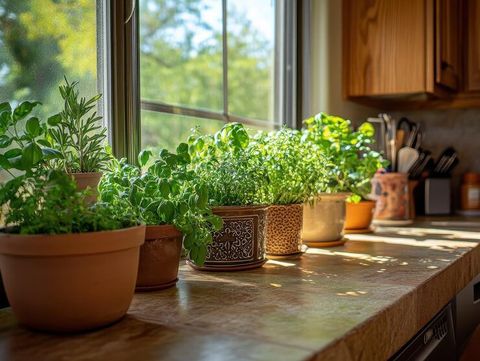
Herbs like basil, mint, parsley, and thyme are especially suited for indoor environments. They don’t require large spaces and can thrive on windowsills, countertops, or shelves with proper care.
One of the biggest advantages is accessibility. You can snip fresh herbs while cooking, enhancing both flavor and nutrition in your meals. It also reduces dependency on packaged herbs that may lose freshness quickly.
Choosing the Right Herbs
Not all herbs grow equally well indoors. Some adapt better to controlled environments and limited sunlight.
Here are a few beginner-friendly options:
- Basil: Loves sunlight and grows quickly
- Mint: Very hardy and easy to maintain
- Parsley: Grows steadily with moderate light
- Chives: Compact and ideal for small pots
- Thyme: Requires minimal watering and space
When selecting herbs, consider your cooking preferences. Growing herbs you frequently use increases the value of your garden.
Setting Up Your Indoor Garden Space
Choosing the right location is essential. Most herbs need 4–6 hours of sunlight daily. A south-facing window is usually the best spot.
If natural light is limited, you can use grow lights. These provide consistent lighting and help herbs grow evenly.
Here are a few setup essentials:
- Containers with drainage holes
- Good-quality potting soil
- Access to sunlight or grow lights
- A tray to catch excess water
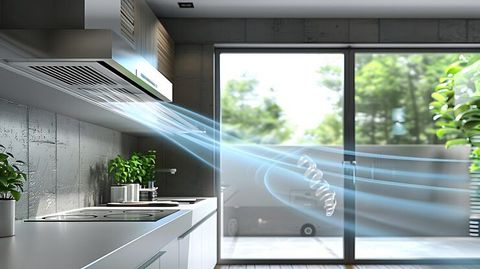
Proper airflow is also important. Avoid placing herbs in completely enclosed spaces, as this can lead to mold or poor growth.
Essential Care for Healthy Herbs
Once your indoor herb garden is set up, consistent care is key to keeping plants healthy and productive.
Watering and Soil Needs
Overwatering is one of the most common mistakes. Herbs prefer moist soil, not soggy conditions.
A simple rule is to check the top inch of soil. If it feels dry, it’s time to water. Ensure excess water drains out to prevent root rot.
Use well-draining potting soil. Avoid garden soil, as it may be too dense for container plants.
Light and Temperature Conditions
Light plays a major role in herb growth. Without enough light, herbs may become leggy and weak.
If you notice slow growth or pale leaves, increase light exposure. Grow lights can be especially helpful during cloudy days or in low-light homes.
Ideal temperature for most herbs ranges between 18°C and 24°C. Keep plants away from extreme heat, cold drafts, or air conditioning vents.
Common Problems and Solutions
Even indoor gardens face occasional challenges. Recognizing issues early helps prevent long-term damage.
Here are a few common problems:
- Yellow leaves: Often caused by overwatering
- Slow growth: Usually due to insufficient light
- Wilting: Can result from underwatering or root issues
- Pests: Small insects like aphids may appear occasionally
To manage pests, gently wash leaves or use mild natural solutions like diluted soap water.
Practical Tips for a Thriving Herb Garden
A few simple habits can make a big difference in maintaining your indoor herb garden.
Smart Harvesting Techniques
Regular harvesting encourages herbs to grow fuller and healthier. Avoid cutting more than one-third of the plant at a time.
Use clean scissors or your fingers to snip leaves. Focus on trimming from the top to promote bushier growth.
Fertilizing and Maintenance
Herbs don’t need heavy feeding, but occasional fertilizing helps maintain nutrient levels.
Use a balanced liquid fertilizer every 3–4 weeks. Avoid over-fertilizing, as it can affect flavor and growth.
Rotate pots every few days so all sides receive equal light. This prevents uneven growth.
Seasonal Adjustments
Indoor conditions change with seasons. During winter, sunlight may decrease, so you may need grow lights.
In summer, ensure plants are not exposed to excessive heat. Adjust watering schedules as needed based on temperature and humidity.
Herb Care Overview Table
| Herb | Light Requirement | Watering Frequency | Growth Speed | Ideal Use |
|---|---|---|---|---|
| Basil | High | Moderate | Fast | Cooking, garnishing |
| Mint | Medium | Frequent | Fast | Beverages, desserts |
| Parsley | Medium | Moderate | Medium | Salads, soups |
| Thyme | High | Low | Slow | Seasoning dishes |
| Chives | Medium | Moderate | Medium | Toppings, salads |
This table gives a quick snapshot to help you manage different herbs effectively.
Conclusion
An indoor herb garden is a practical and enjoyable way to grow fresh herbs at home. With the right setup, proper care, and a little patience, you can create a thriving green space indoors.
Start with a few easy herbs, observe their needs, and gradually expand your collection. Small steps lead to consistent success, and over time, your indoor garden can become a reliable source of freshness and flavor.