Open Shelving Concepts Guide for Modern Homes
Open shelving has become a popular design choice in modern interiors. It brings a sense of openness and personality to a space while keeping essentials within easy reach. Whether used in kitchens, living rooms, or bedrooms, open shelving offers both style and functionality.
This guide walks you through the basics, benefits, and practical ideas to make the most of open shelving in your home.
Understanding Open Shelving Concepts
Open shelving refers to shelves without doors or covers. Unlike traditional cabinets, everything is visible, making it easier to access items and display décor. This design approach focuses on simplicity and visual appeal.
Open shelves can be installed in various ways:
- Floating shelves mounted directly on walls
- Built-in shelves integrated into walls or niches
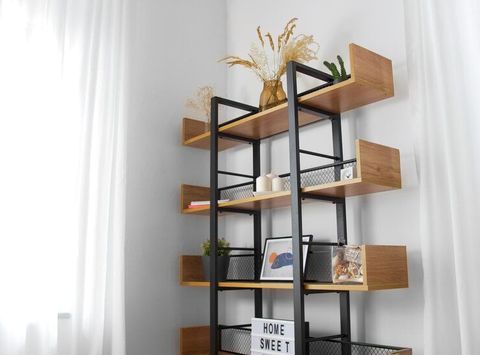
- Freestanding shelving units
They work well in both small and large spaces. In smaller rooms, they create an illusion of more space. In larger rooms, they help break visual monotony.
Why Open Shelving Is Popular
Open shelving is not just about looks. It also serves practical purposes. Many homeowners prefer it because it encourages organization and reduces clutter.
Here are some reasons for its growing popularity:
- Makes spaces feel lighter and more open
- Keeps frequently used items easily accessible
- Allows for creative decoration
- Works with various interior styles
From minimalistic homes to rustic interiors, open shelving adapts well to different design themes.
Designing Open Shelving for Different Spaces
Open shelving can be used in almost any room. However, the approach may vary depending on the space and its purpose.
Open Shelving in the Kitchen
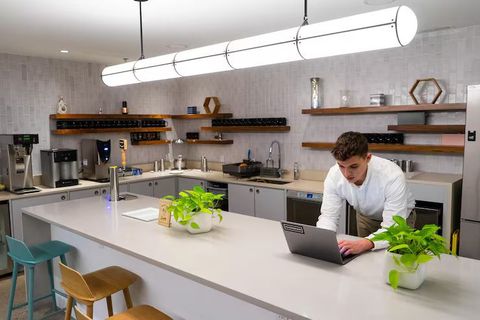
The kitchen is one of the most common places for open shelving. It replaces upper cabinets and creates a more open cooking area.
Common uses include:
- Displaying dishes, bowls, and glassware
- Storing spices and cooking essentials
- Showcasing decorative jars and containers
To maintain a clean look, it’s best to stick to a consistent color palette. Group similar items together for better visual balance.
Open Shelving in Living Rooms
In living rooms, open shelves are often used for display rather than storage. They can hold books, plants, and decorative items.
Ideas for styling:
- Mix books with small decorative pieces
- Add indoor plants for a fresh feel
- Use baskets to hide smaller items
This creates a layered and inviting look without making the space feel crowded.
Open Shelving in Bedrooms
Open shelving in bedrooms can replace bulky furniture. It’s especially useful for smaller rooms.
You can use it for:
- Storing folded clothes
- Displaying personal items
- Organizing accessories
Keeping items neatly arranged is key to maintaining a calm and relaxing environment.
Benefits and Challenges of Open Shelving
While open shelving has many advantages, it also comes with some challenges. Understanding both sides helps in making better design decisions.
Key Benefits
Open shelving offers several practical and aesthetic advantages:
- Easy access: No need to open doors or drawers
- Visual appeal: Adds depth and character to walls
- Flexibility: Easy to rearrange items anytime
- Space efficiency: Works well in compact areas
It also encourages mindful organization, as everything is visible.
Common Challenges
Despite its benefits, open shelving requires regular upkeep.
Some challenges include:
- Dust accumulation on exposed items
- Need for consistent organization
- Limited hidden storage
To manage these issues, it’s helpful to combine open shelves with closed storage options.
Quick Comparison Table
| Feature | Open Shelving | Closed Cabinets |
|---|---|---|
| Accessibility | Very easy | Moderate |
| Visual Appearance | Light and open | Structured and hidden |
| Maintenance | Requires regular cleaning | Less frequent cleaning |
| Storage Style | Display-focused | Concealed storage |
| Flexibility | Easy to rearrange | Fixed structure |
This comparison helps you decide which option suits your needs better.
Tips for Styling and Maintaining Open Shelves
Creating a visually pleasing open shelving setup requires some planning. The goal is to keep it functional while maintaining a clean and attractive look.
Smart Styling Tips
Start by choosing a theme or color palette. This helps create a cohesive appearance.
Consider these ideas:
- Use neutral tones for a calm look
- Add texture with wood, ceramics, or glass
- Vary heights and shapes of items
- Leave some empty space to avoid overcrowding
Balance is important. Too many items can make shelves look cluttered.
Practical Organization Ideas
Keeping shelves organized is essential for both function and aesthetics.
Try these methods:
- Group similar items together
- Use containers or baskets for smaller objects
- Arrange items by size or frequency of use
- Rotate décor occasionally for a fresh look
This approach keeps shelves looking neat and intentional.
Maintenance and Cleaning
Since items are exposed, regular cleaning is necessary.
Simple maintenance steps:
- Dust shelves weekly
- Wipe surfaces with a soft cloth
- Avoid overloading shelves
Keeping things minimal makes cleaning easier and faster.
Conclusion
Open shelving is a versatile design choice that blends style with practicality. It transforms walls into functional and decorative spaces while making everyday items easily accessible.
By understanding how to design, style, and maintain open shelves, you can create a space that feels both organized and inviting. Whether used in kitchens, living rooms, or bedrooms, open shelving adds a personal touch to modern interiors.
The key is to keep it simple, balanced, and well-maintained. With thoughtful planning, open shelving can enhance both the look and functionality of your home.