Kitchen Workflow Design Guide: Smart Layout Tips
A well-planned kitchen isn’t just about looks. It’s about how smoothly everything works when you cook, clean, and move around. Kitchen workflow design focuses on arranging your space so daily tasks feel natural and efficient. Whether you cook often or just occasionally, a thoughtful layout can make a big difference.
This guide walks you through practical ideas to improve flow, reduce effort, and create a kitchen that supports your routine.
Understanding Kitchen Workflow Design
Kitchen workflow design is all about how you move between key areas while preparing meals. It considers the placement of appliances, storage, and work surfaces. A good workflow minimizes unnecessary steps and keeps everything within easy reach.
At the core of this concept is efficiency. When your kitchen is organized with purpose, tasks like chopping, cooking, and cleaning become quicker and more enjoyable. You don’t have to think about where things are—you just move naturally.
A strong workflow also helps reduce clutter. When every item has a logical place, your kitchen stays cleaner and easier to manage.
The Classic Kitchen Work Triangle
One of the most well-known principles in kitchen design is the “work triangle.” It connects three main areas:
- Sink
- Stove
- Refrigerator
These are the most frequently used zones. The idea is to place them in a triangle shape so movement between them is smooth and direct.
Here’s a simple breakdown:
| Element | Purpose | Ideal Positioning |
|---|---|---|
| Sink | Cleaning and prep | Near prep space |
| Stove | Cooking | Central but not crowded |
| Refrigerator | Food storage | Accessible but not obstructive |
While modern kitchens may not strictly follow this triangle, the principle still helps guide efficient layouts.
Zones That Improve Workflow
Beyond the triangle, many kitchens now use a zone-based approach. This divides the space into functional areas based on tasks.
Common kitchen zones include:
- Prep zone: Counter space for chopping and mixing
- Cooking zone: Stove, oven, and nearby tools
- Cleaning zone: Sink, dishwasher, and waste bins
- Storage zone: Cabinets, pantry, and fridge
Organizing your kitchen into zones allows multiple tasks to happen without overlap. It also helps when more than one person is using the kitchen.
How Layout Shapes Workflow
The physical layout of your kitchen plays a major role in how efficient it feels. Different layouts suit different spaces and needs.
Here are some common layouts:
- L-shaped kitchen: Great for open spaces and flexible movement
- U-shaped kitchen: Offers plenty of counter space and clear zones
- Galley kitchen: Ideal for smaller spaces with a straight workflow
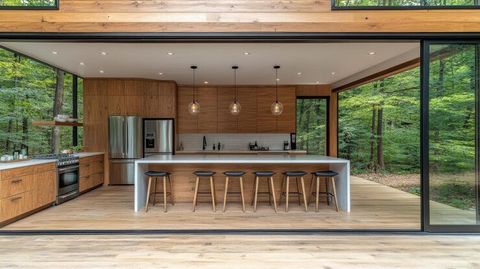
- Island kitchen: Adds extra workspace and can improve flow
Choosing the right layout depends on your available space and how you use your kitchen daily.
Key Elements That Influence Workflow
Designing a kitchen workflow isn’t just about layout. Several smaller details also affect how smoothly everything works together.
Storage Placement Matters
Where you store items can either help or slow you down. Frequently used tools and ingredients should be easy to reach.
For example:
- Keep spices near the cooking area
- Store knives and cutting boards in the prep zone
- Place cleaning supplies under or near the sink
This reduces the need to move across the kitchen repeatedly.
Counter Space and Movement
Adequate counter space is essential for a smooth workflow. It gives you room to prepare food without feeling cramped.
Try to keep counters clear and organized. Even small sections of usable space can improve efficiency when placed in the right areas.
Movement paths should also remain unobstructed. Avoid placing large items where they block access between zones.
Lighting and Visibility
Good lighting supports a better workflow. It helps you see clearly while preparing food and reduces strain.
Use a mix of lighting types:
- Task lighting for work areas
- Ambient lighting for overall brightness
- Accent lighting for visibility in storage spaces
A well-lit kitchen feels more comfortable and easier to navigate.
Appliance Positioning
Appliances should be placed based on how often and how they’re used.
For example:
- The microwave should be easy to access but not in the way
- The oven should have nearby counter space for trays
- The dishwasher should be close to the sink
These small adjustments help create a more seamless cooking experience.
Practical Tips to Improve Kitchen Workflow
Improving your kitchen workflow doesn’t always require a full redesign. Small changes can have a big impact.
Keep Essentials Within Reach
Think about what you use most often. Place those items in the most accessible spots.
This might include:
- Cooking utensils
- Everyday dishes
- Frequently used ingredients
When essentials are nearby, tasks become quicker and less tiring.
Reduce Clutter
Clutter disrupts workflow and makes tasks harder. Regularly review what you keep in your kitchen.
Consider removing:
- Duplicate tools
- Rarely used gadgets
- Expired or unused ingredients
A cleaner space allows for better movement and focus.
Create Clear Work Zones
Even in a small kitchen, you can define zones. Use simple strategies like grouping similar items together.
For example:
- Keep baking tools in one cabinet
- Store cleaning supplies in a single area
- Arrange cooking tools near the stove
Clear zones make it easier to stay organized and maintain efficiency.
Think About Workflow Direction
Most people naturally move in a certain direction while cooking. Pay attention to your habits.
If you tend to move from fridge to counter to stove, arrange your kitchen to support that flow. Aligning your layout with your routine reduces unnecessary steps.
Use Vertical Space
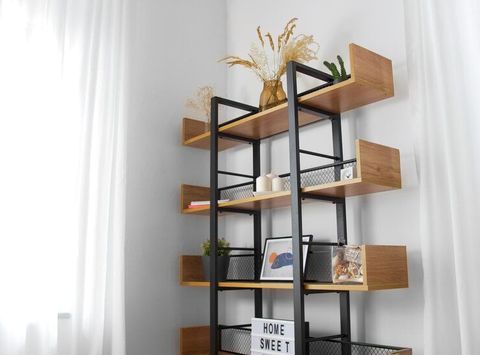
When floor space is limited, vertical storage can help. Shelves, hooks, and wall-mounted racks keep items accessible without crowding counters.
This approach improves both organization and workflow.
Common Workflow Challenges and Solutions
Even well-designed kitchens can face workflow issues. Recognizing common problems helps you fix them effectively.
Problem: Overlapping Work Areas
When zones are too close, tasks can interfere with each other.
Solution: Separate functions clearly. Ensure enough space between prep, cooking, and cleaning areas.
Problem: Limited Counter Space
Small kitchens often struggle with workspace.
Solution: Use foldable surfaces or multi-purpose areas to expand usable space.
Problem: Poor Storage Access
Hard-to-reach storage slows down workflow.
Solution: Use pull-out drawers or organize shelves so frequently used items are easy to grab.
Problem: Traffic Congestion
Multiple people using the kitchen can create crowding.
Solution: Design wider pathways and assign zones to reduce overlap.
Designing for Different Lifestyles
Every household uses the kitchen differently. Your workflow design should match your lifestyle.
For Frequent Cooking
If you cook daily, prioritize:
- Easy access to tools
- Spacious prep areas
- Efficient storage
A streamlined layout saves time and effort.
For Occasional Cooking
If you use the kitchen less often, focus on simplicity. Keep essentials visible and avoid overcomplicating storage.
For Families
In busy households, safety and space matter. Ensure clear walkways and consider multiple work zones to avoid congestion.
For Small Spaces
Compact kitchens benefit from smart organization. Use vertical storage and multi-purpose areas to maximize efficiency.
Conclusion
Kitchen workflow design is about making your space work for you. By organizing your layout, defining zones, and placing items thoughtfully, you can create a kitchen that feels intuitive and efficient.
Start with small improvements. Rearrange storage, clear clutter, and observe how you move while cooking. Over time, these changes can transform your kitchen into a space that supports your daily routine with ease.
A well-designed workflow doesn’t just save time—it makes cooking more enjoyable and less stressful.