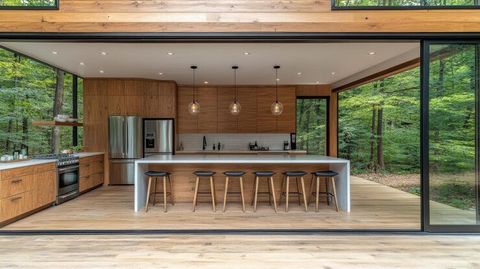
Corner Space Utilization Guide for Smart Living
Corner spaces are often overlooked in homes, yet they hold great potential. Whether it’s a small apartment or a spacious house, unused corners can become functional and stylish areas. With a bit of creativity, you can transform these neglected spots into practical and visually appealing parts of your home.
This guide explores how to make the most of corner space utilization in a simple and effective way.
Understanding Corner Space Utilization
Corner space utilization is all about maximizing areas that are typically underused. Corners can serve many purposes, from storage to relaxation zones. Instead of leaving them empty, you can design them to enhance both functionality and aesthetics.
Corners naturally create boundaries, making them ideal for defining small zones within a room. They can also help improve organization by providing additional storage or display space without overcrowding the main area.
Why Corner Spaces Matter
Many homes struggle with limited space. Efficient use of every square foot becomes essential. Corners offer hidden opportunities that can solve common space challenges.
Here’s why focusing on corners makes sense:
- They help reduce clutter by adding extra storage
- They improve room balance and symmetry
- They create cozy and defined zones
- They enhance the overall visual appeal
Ignoring corners can make a room feel incomplete. Utilizing them smartly brings harmony and purpose to your space.
Common Challenges with Corners
Despite their potential, corners can be tricky to work with. Their shape often limits furniture placement, and poor planning can lead to awkward layouts.
Some common issues include:
- Difficulty fitting standard furniture
- Limited accessibility in tight corners
- Poor lighting in corner areas
- Risk of overcrowding if not planned properly
The key is to choose solutions that match the size and function of your room.
Creative Ideas for Using Corner Spaces
There are many ways to transform corners into useful areas. The right approach depends on your needs and the available space.
Corner Storage Solutions
Storage is one of the most practical uses of corners. Smart storage options can help keep your home organized without taking up too much room.
Some effective ideas include:
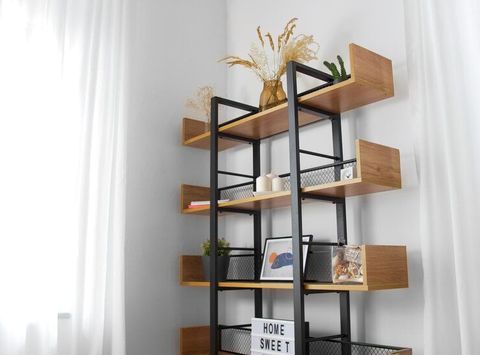
- Corner shelves: Ideal for books, decor, or small items
- Built-in cabinets: Provide seamless storage without wasting space
- Floating shelves: Keep the area light and modern
- Corner wardrobes: Perfect for bedrooms with limited storage
These options make use of vertical space, which is often underutilized.
Cozy Corner Seating
Corners are perfect for creating comfortable seating areas. A small corner can become a relaxing spot for reading or unwinding.
Consider these ideas:
- Add a compact armchair with a side table
- Use a bench with cushions for a cozy feel
- Place a floor lamp to improve lighting
- Add soft textiles like throws or rugs
This setup creates a peaceful corner that feels inviting and functional.
Functional Workspaces
With more people working or studying from home, corners can serve as efficient work areas.
A well-designed corner workspace can include:
- A compact desk that fits neatly into the corner
- Wall-mounted shelves for storage
- Proper lighting to reduce eye strain
- Minimal decor to maintain focus
This setup helps create a dedicated workspace without occupying the main room.
Decorative Corner Displays
Corners can also be used purely for visual appeal. Decorative elements can bring life to empty spaces.
Popular options include:
- Indoor plants for a natural touch
- Artwork or framed photos
- Sculptures or decorative pieces
- Accent lighting to highlight the area
These elements add personality and make the room feel complete.
Choosing the Right Furniture for Corners
Selecting the right furniture is crucial for effective corner space utilization. Not all furniture works well in corners, so thoughtful selection is important.
Features to Look For
When choosing corner-friendly furniture, consider the following:
- Compact size: Ensures it fits without overcrowding
- Multi-functionality: Saves space by serving more than one purpose
- Custom fit: Designed specifically for corner placement
- Lightweight design: Makes rearranging easier
Furniture designed for corners can significantly improve both functionality and comfort.
Comparison of Corner Furniture Options
| Furniture Type | Best Use | Space Efficiency | Style Impact |
|---|---|---|---|
| Corner Shelves | Storage & display | High | Moderate |
| Corner Sofa | Seating | Medium | High |
| Corner Desk | Work/study | High | Moderate |
| Corner Cabinet | Storage | High | High |
| Corner Bench | Seating/storage | Medium | Moderate |
This table helps you quickly understand which option suits your needs best.
Tips for Effective Corner Space Utilization
Making the most of corners requires a balance of practicality and creativity. Small changes can make a big difference.
Keep It Simple
Avoid overloading corners with too many items. A clean and minimal approach works best. Too much furniture or decor can make the space feel cramped.
Use Vertical Space
Corners often have unused vertical space. Installing shelves or tall units helps maximize storage without taking up floor area.
Focus on Lighting
Corners can feel dark if not properly lit. Adding a floor lamp, wall light, or even natural light can make the space more inviting.
Maintain Proportion
Choose furniture that matches the scale of the room. Oversized pieces can overwhelm small corners, while tiny items may look out of place in larger rooms.
Add Personal Touches
Decorate corners with items that reflect your style. This could include plants, artwork, or meaningful objects. Personal touches make the space feel more connected to the rest of the room.
Think About Function First
Before decorating, decide how you want to use the corner. Whether it’s for storage, seating, or work, having a clear purpose helps guide your design choices.
Conclusion
Corner space utilization is a simple yet powerful way to improve your home. By turning unused corners into functional areas, you can enhance both organization and comfort.
The key is to plan thoughtfully and choose solutions that fit your needs. Whether you add storage, seating, or decorative elements, every corner has the potential to contribute to your space.
Start small, experiment with ideas, and gradually transform your corners into useful and beautiful areas. With the right approach, even the smallest corner can make a big impact.