Kitchen Decor Styling Guide: Simple Ideas That Work
A well-styled kitchen is more than just a place to cook. It reflects your personality, improves functionality, and creates a welcoming atmosphere. Whether your space is large or compact, thoughtful kitchen decor styling can make a noticeable difference.
This guide walks you through practical, easy-to-follow ideas that help transform your kitchen into a stylish and comfortable space without overwhelming the design.
Understanding Kitchen Decor Styling
Kitchen decor styling is about balancing visual appeal with usability. It focuses on how elements like color, lighting, textures, and accessories come together in a cohesive way.
A good design doesn’t rely on expensive items. Instead, it uses smart placement, color harmony, and subtle details to create a polished look. The goal is to make your kitchen feel organized, inviting, and visually pleasing.
A key principle is consistency. Mixing too many styles or colors can make the space feel cluttered. Keeping a unified theme helps maintain clarity and flow.
Choosing the Right Color Palette
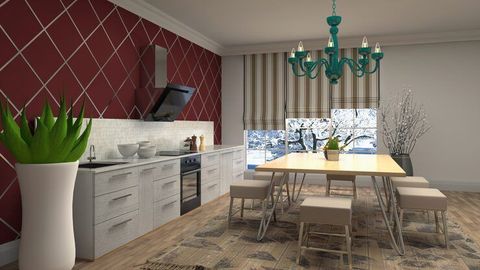
Color plays a major role in how your kitchen feels. Light tones can make small kitchens appear more spacious, while darker shades create a cozy and dramatic effect.
Here are a few popular approaches:
- Neutral tones like white, beige, or grey for a clean look
- Pastel shades for a soft and calming atmosphere
- Bold accents like navy or green for contrast
- Wooden textures to add warmth and depth
It’s often helpful to follow the 60-30-10 rule:
- 60% dominant color (walls or cabinets)
- 30% secondary color (furniture or backsplash)
- 10% accent color (decor items)
This balance keeps the design visually appealing without feeling chaotic.
Lighting and Its Impact
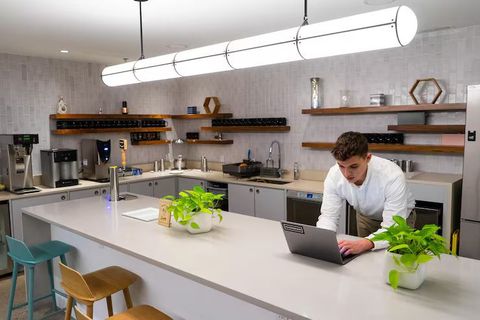
Lighting is often overlooked, but it plays a crucial role in kitchen decor styling. A well-lit kitchen feels more open and functional.
There are three main types of lighting to consider:
- Ambient lighting: General lighting that brightens the entire space
- Task lighting: Focused lighting for cooking or prep areas
- Accent lighting: Decorative lighting that highlights features
Warm lighting creates a cozy feel, while cool lighting gives a modern and clean look. Combining both can create a balanced environment.
Functional Decor Elements
Decor in a kitchen should not just look good—it should also serve a purpose. Functional decor helps reduce clutter while enhancing style.
Some effective ideas include:
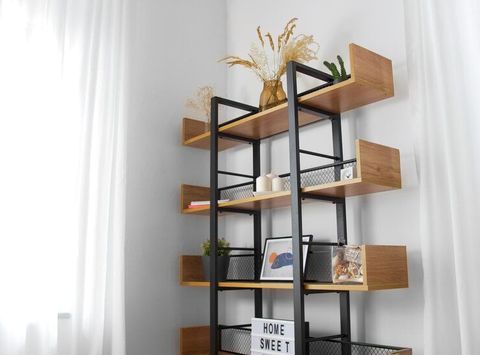
- Open shelves to display neatly arranged dishes
- Hanging racks for utensils or cookware
- Stylish jars for storing spices or dry items
- Decorative trays to organize countertops
These elements add personality without compromising usability.
Key Elements That Enhance Kitchen Styling
To create a cohesive look, it’s important to focus on a few essential components that define the overall design.
Cabinet Styling and Finishes
Cabinets are one of the most noticeable features in any kitchen. Their design, color, and finish can set the tone for the entire space.
Popular cabinet styles include:
- Matte finishes for a modern touch
- Glossy finishes for a sleek appearance
- Wooden textures for a natural feel
Even small updates like changing handles or knobs can refresh the look without major effort.
Countertop and Backsplash Coordination
Countertops and backsplashes should complement each other. When these elements work together, they create a visually balanced space.
Here’s a simple comparison table to help guide your choices:
| Element | Recommended Style | Visual Effect |
|---|---|---|
| Countertop | Marble or quartz | Clean and elegant |
| Backsplash | Subway tiles or patterns | Adds texture and detail |
| Combination | Neutral + subtle contrast | Balanced and modern |
Avoid overly complex patterns in both areas at once. Keeping one simple allows the other to stand out.
Incorporating Natural Elements
Bringing natural elements into your kitchen adds warmth and freshness. Even small touches can make a big difference.
Consider these ideas:
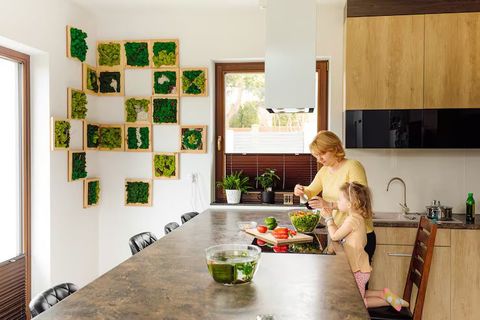
- Indoor plants or herbs
- Wooden cutting boards
- Stone or ceramic accessories
- Linen or cotton fabrics
These materials soften the overall look and make the space feel more inviting.
Practical Styling Tips for Everyday Use
Styling your kitchen doesn’t have to be complicated. Small, intentional changes can create a big impact over time.
Keep Surfaces Clutter-Free
A clean countertop instantly improves the appearance of your kitchen. Try to keep only essential or decorative items visible.
Group similar items together to create a sense of order. For example, place oils, spices, and utensils on a single tray.
Use Layers for Depth
Layering adds dimension and visual interest. Instead of placing items flat, vary their height and texture.
For example:
- Stack cookbooks with a small plant on top
- Combine glass jars with wooden elements
- Use different heights for decor pieces
This creates a more dynamic and styled look.
Add Personal Touches
Your kitchen should reflect your personality. Personal elements make the space feel unique and lived-in.
You can include:
- Artwork or framed prints
- Handwritten recipe boards
- Decorative bowls or heirloom items
These details make the kitchen feel more meaningful and less generic.
Rotate Seasonal Decor
Changing small decor items with the seasons keeps your kitchen feeling fresh. It also prevents the space from feeling repetitive.
Examples include:
- Bright colors in summer
- Warm tones in autumn
- Minimal decor in winter
This approach keeps your styling flexible and engaging.
Common Mistakes to Avoid
Even with good intentions, certain mistakes can affect the overall look of your kitchen.
- Overcrowding surfaces with too many items
- Mixing too many styles without consistency
- Ignoring lighting balance
- Choosing decor that doesn’t match functionality
Keeping things simple often leads to better results. Focus on quality and placement rather than quantity.
Conclusion
Kitchen decor styling is about creating a space that feels both practical and visually appealing. By focusing on color balance, lighting, and functional decor, you can transform your kitchen into a space that feels organized and welcoming.
Start with small changes and build gradually. A few thoughtful updates can make your kitchen feel refreshed without requiring a complete redesign.
Consistency, simplicity, and personal touches are the key elements that bring everything together.