Kitchen Color Refresh Guide: Brighten Your Space
Refreshing your kitchen doesn’t always require a full renovation. Sometimes, a thoughtful kitchen color refresh can completely change how the space looks and feels. Color influences mood, lighting, and even how spacious a room appears. With the right approach, you can create a kitchen that feels modern, inviting, and personal.
In this guide, you’ll explore practical ideas, simple strategies, and creative inspiration to update your kitchen using color.
Understanding the Power of Kitchen Colors
Color plays a major role in shaping the atmosphere of your kitchen. It affects how light moves, how large the space feels, and how comfortable it is to spend time there.
Warm tones like soft yellows, terracotta, or muted reds create a cozy and welcoming environment. On the other hand, cool tones such as blues and greens bring calmness and freshness. Neutral shades like white, beige, and gray offer flexibility and timeless appeal.
When planning a kitchen color refresh, consider:
- Natural lighting in your kitchen
- Size of the space
- Existing cabinets, countertops, and flooring
- Your personal style preferences
A well-chosen palette ties everything together without overwhelming the room.
Choosing the Right Color Palette
Selecting a color palette is the foundation of your refresh. Instead of choosing colors randomly, it helps to follow a simple structure.
The 60-30-10 Rule
This classic rule creates balance in any room:
| Color Role | Percentage | Example Use |
|---|---|---|
| Primary Color | 60% | Walls or cabinets |
| Secondary Color | 30% | Backsplash or furniture |
| Accent Color | 10% | Decor, handles, small items |
This method keeps your kitchen visually appealing without feeling cluttered.
Popular Kitchen Color Combinations
Some combinations work well across different styles:
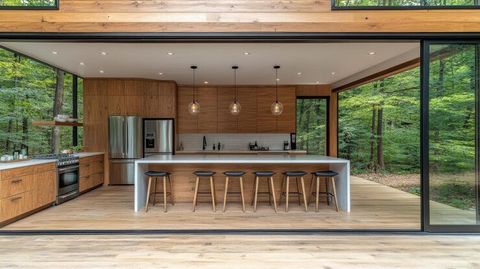
- White and wood tones for a clean, natural look
- Navy blue and gold accents for a modern feel
- Sage green and cream for a soft, calming effect
- Black and white for a bold, timeless contrast
These combinations are easy to adapt and don’t go out of style quickly.
Matching Colors with Materials
Your kitchen likely already has fixed elements like countertops or flooring. Choose colors that complement these rather than compete with them.
For example:
- Marble pairs well with soft grays or whites
- Wooden surfaces look great with greens or warm neutrals
- Stainless steel works nicely with cooler tones
This approach creates harmony rather than visual tension.
Simple Ways to Refresh Kitchen Colors
You don’t need major changes to see results. Small updates can make a noticeable difference.
Paint Cabinets for Instant Impact
Cabinets take up a large visual area, so changing their color can transform the entire kitchen.
Lighter shades can make a small kitchen feel bigger, while darker tones add depth and sophistication. If repainting all cabinets feels like too much, try updating only the lower or upper sections for a two-tone look.
Update the Walls
A fresh coat of paint on the walls is one of the easiest ways to achieve a kitchen color refresh.
Consider:
- Soft neutrals for a clean backdrop
- Pastel tones for a gentle touch of color
- Bold shades for a feature wall
Even a subtle change can brighten the space.
Add Color Through Backsplash
A backsplash is a great place to introduce texture and color without overwhelming the room.
Options include:
- Patterned tiles
- Colored glass panels
- Classic subway tiles with tinted grout
This small area can add personality while keeping the rest of the kitchen balanced.
Enhancing Color with Lighting and Decor
Color doesn’t work alone. Lighting and accessories help bring your chosen palette to life.
Use Lighting to Highlight Colors
Natural light shows true color tones, while artificial lighting can change how colors appear.
Warm lighting enhances cozy tones, while cool lighting works well with modern palettes. Layered lighting—such as overhead lights, under-cabinet lighting, and pendant lights—helps highlight different areas.
Introduce Color Through Decor
If you prefer flexibility, use decor items to experiment with color.
Examples include:
- Dishware and utensils
- Rugs and curtains
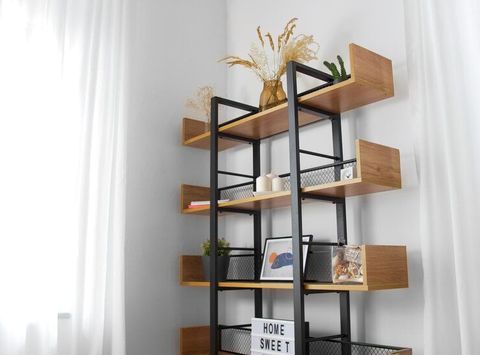
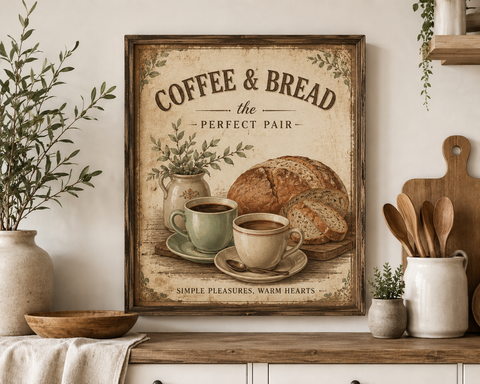
- Wall art or shelves
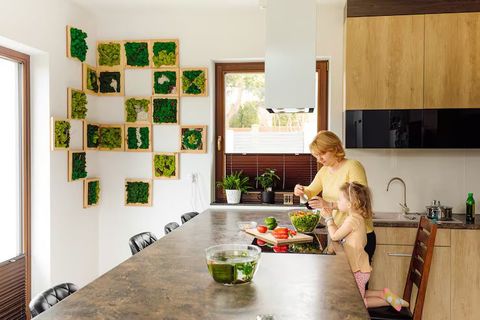
- Indoor plants
These elements are easy to change and allow you to refresh your kitchen without long-term commitment.
Balance Bold and Neutral Elements
If you choose bold colors, balance them with neutral tones to avoid overwhelming the space.
For instance:
- Pair bright cabinets with neutral walls
- Combine bold backsplashes with simple countertops
- Use subtle decor to soften strong color choices
This balance keeps your kitchen visually comfortable.
Common Mistakes to Avoid
While refreshing your kitchen colors, it’s easy to make small mistakes that affect the final look.
Ignoring Lighting Conditions
Colors can look different depending on the time of day and type of lighting. Always test paint samples in your kitchen before finalizing.
Using Too Many Colors
Too many shades can make the space feel chaotic. Stick to a limited palette for a cohesive design.
Forgetting About Flow
Your kitchen should connect visually with nearby spaces. Choose colors that complement the rest of your home for a smooth transition.
Skipping Small Details
Handles, knobs, and fixtures may seem minor, but they influence the overall look. Matching these details with your color scheme creates a polished finish.
Practical Tips for a Successful Refresh
A thoughtful approach makes the process smoother and more enjoyable.
- Start with a clear color idea before making changes
- Test samples on walls or cabinets
- Work in stages instead of changing everything at once
- Keep long-term appeal in mind, not just trends
- Focus on balance rather than perfection
These steps help you avoid unnecessary changes and achieve a more satisfying result.
Conclusion
A kitchen color refresh is a simple yet powerful way to update your space. By choosing the right palette, making small changes, and paying attention to details, you can create a kitchen that feels fresh and inviting.
You don’t need a complete overhaul to see results. Even subtle updates can improve the overall look and atmosphere. Start with one change, observe how it feels, and build from there.
With thoughtful planning and a bit of creativity, your kitchen can become a space you truly enjoy spending time in.