Smart Thermostat Basics: A Simple Guide for Beginners
Smart home technology is becoming a natural part of everyday life, and the smart thermostat is one of the easiest ways to get started. It quietly improves comfort, helps manage energy use, and gives you better control over your home environment.
In this guide, you’ll learn what a smart thermostat is, how it works, and why devices like the nest thermostat and google nest thermostat are gaining so much attention.
What Is a Smart Thermostat?
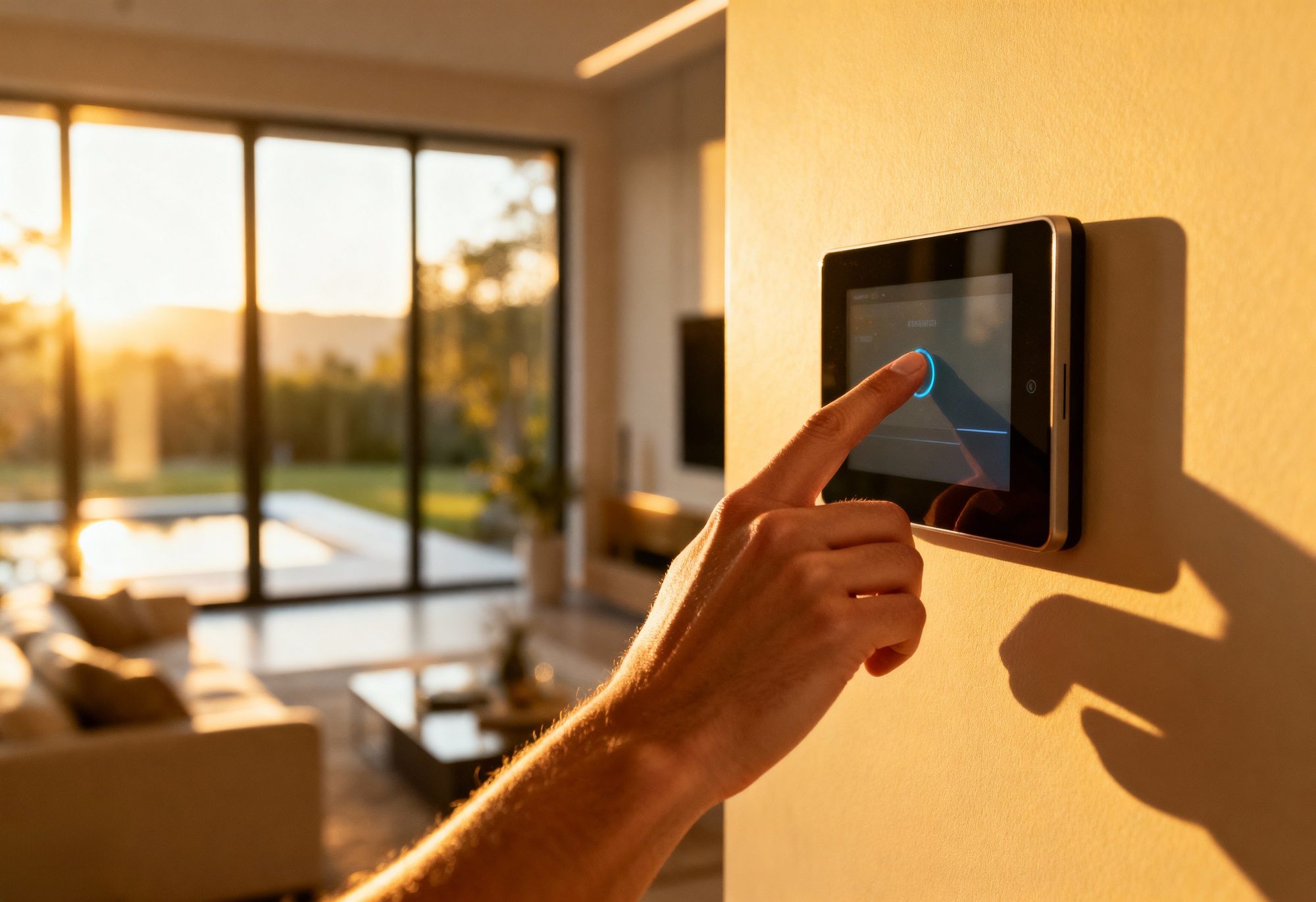
A smart thermostat is an advanced version of a traditional thermostat. It controls your heating and cooling system, but with added intelligence and connectivity.
Unlike older models, a smart thermo connects to your Wi-Fi. This allows you to adjust temperature settings through your phone, tablet, or voice commands. Many users refer to it as a smartphone thermostat because of this convenient control.
These devices are designed to learn your habits over time. For example, if you lower the temperature every night, the thermostat starts doing it automatically. This makes your home feel comfortable without constant adjustments.
How Is It Different From a Regular Thermostat?
A regular thermostat requires manual changes. You set a temperature, and it stays there until you change it again.
A nest digital thermostat or any intelligent thermostat offers:
- Remote control through mobile apps
- Learning capabilities based on your routine
- Energy usage insights
- Integration with other smart home devices
This makes daily life simpler and more efficient.
How Does a Smart Thermostat Work?
A smart thermostat works by connecting your HVAC (heating, ventilation, and air conditioning) system to your home network. Once connected, it communicates with your smartphone or other devices.
The system uses sensors and algorithms to monitor:
- Indoor temperature
- Humidity levels
- Occupancy (whether someone is home)
- User preferences
It then adjusts heating or cooling accordingly.
Key Components of a Smart Thermostat
| Component | Function |
|---|---|
| Sensors | Detect temperature, humidity, and movement |
| Wi-Fi Connectivity | Enables remote access and app control |
| Mobile App | Allows users to control settings from anywhere |
| Learning Algorithm | Adapts to user habits over time |
| Display Interface | Shows temperature, settings, and system status |
This combination of hardware and software is what makes the system “smart.”
Why Learning Features Matter
Devices like google nests are designed to observe patterns. Over time, they create a schedule without needing constant input.
For example:
- Lower temperatures at night
- Adjust settings when you leave home
- Maintain comfort before you return
This learning behavior helps reduce unnecessary energy use while keeping your home comfortable.
Popular Features You Should Know
Not all smart thermostats are identical, but most share a set of useful features. Understanding these can help you get the most out of your device.
Remote Access and Control
One of the biggest advantages is the ability to control your thermostat from anywhere.
Whether you're at work or traveling, you can:
- Adjust temperature settings
- Turn systems on or off
- Monitor your home's climate
This is why many people prefer a smartphone thermostat over traditional models.
Scheduling and Automation
Smart thermostats allow you to create custom schedules. You can set different temperatures for different times of the day.
Examples include:
- Cooler mornings
- Warmer evenings
- Energy-saving settings during work hours
A nest ther device often simplifies this by learning your schedule automatically.
Energy Insights
Many intelligent thermostat systems provide reports on energy usage. These insights help you understand patterns and make better decisions.
You might see:
- Daily or weekly usage summaries
- Suggestions for improving efficiency
- Alerts when unusual activity occurs
This feature is useful for anyone who wants to stay aware of their home's energy habits.
Benefits of Using a Smart Thermostat
Smart thermostats are popular because they offer practical advantages without requiring complex setup.
Convenience and Comfort
The ability to control your home temperature remotely adds a layer of convenience that traditional thermostats simply can’t match.
You no longer need to:
- Walk to the wall unit
- Guess the right setting
- Constantly adjust throughout the day
Everything is accessible from your phone.
Personalized Experience
A nest thermostat adapts to your lifestyle. It learns when you wake up, leave home, and go to sleep.
This creates a personalized environment that feels natural and comfortable without constant effort.
Better Awareness
With built-in reports and alerts, you stay informed about your home’s heating and cooling patterns.
This awareness can help you:
- Spot inefficiencies
- Understand usage trends
- Make smarter adjustments
Smart Thermostat vs Traditional Thermostat
Understanding the difference between these two can help you decide if upgrading makes sense.
| Feature | Traditional Thermostat | Smart Thermostat |
|---|---|---|
| Remote Access | No | Yes |
| Learning Capabilities | No | Yes |
| Mobile App Control | No | Yes |
| Energy Insights | Limited | Detailed |
| Automation | Manual | Automatic |
The added functionality makes smart thermostats more adaptable to modern lifestyles.
Installation and Setup Basics
Installing a smart thermostat is usually straightforward, but it depends on your existing system.
Most devices come with step-by-step instructions and mobile app guidance. Some systems require a common wire (C-wire) for power, while others can operate without it.
Basic Setup Steps
- Remove the old thermostat
- Connect wires to the new unit
- Mount the device on the wall
- Connect to Wi-Fi
- Sync with the mobile app
Once set up, the thermostat begins learning your preferences almost immediately.
Compatibility Considerations
Before choosing a device like a google nest thermostat, it’s important to ensure compatibility with your HVAC system.
Common compatible systems include:
- Central heating and cooling
- Heat pumps
- Furnaces
Checking compatibility helps avoid setup issues later.
Tips for Getting the Most Out of Your Smart Thermostat
Using a smart thermostat effectively requires a bit of understanding. Here are some practical tips to maximize its benefits.
Let It Learn
Give your thermostat time to understand your routine. Avoid making frequent manual changes during the initial days.
This helps the learning system create accurate patterns.
Use Scheduling Features
Even though learning is automatic, setting a basic schedule can improve performance early on.
Start with:
- Morning temperature settings
- Workday adjustments
- Nighttime preferences
Monitor Insights Regularly
Check your energy reports occasionally. These insights can help you identify patterns and adjust your usage.
Small changes can make a noticeable difference over time.
Keep the Device Updated
Like other smart devices, thermostats receive software updates. These updates improve performance and add new features.
Make sure your system stays updated for the best experience.
Common Questions About Smart Thermostats
Are Smart Thermostats Easy to Use?
Yes, most smart thermostats are designed with user-friendly interfaces. Mobile apps make navigation simple, even for beginners.
Do They Work Without Internet?
Basic functions may still work without Wi-Fi, but remote access and smart features require an internet connection.
Can They Be Controlled by Voice?
Many smart thermostats integrate with voice assistants, allowing hands-free control.
This adds another layer of convenience to daily use.
Conclusion
A smart thermostat is a practical upgrade for any modern home. It combines convenience, automation, and adaptability in a single device.
Whether you choose a nest digital thermostat or another intelligent thermostat, the goal remains the same: making your home more comfortable and easier to manage.
By understanding how these devices work and using their features effectively, you can create a home environment that adjusts to your lifestyle without constant effort.