Smart Security Systems: A Complete Guide to Modern Safety
Smart homes are no longer a distant idea—they’re part of everyday living. From lighting to climate control, technology is making homes more responsive and secure. One of the most important upgrades homeowners are exploring today is smart home security.
In this guide, you’ll learn how modern systems work, what options are available, and how to choose what fits your lifestyle. Whether you're curious about cameras home security or advanced automation, this article will help you understand the essentials.
Understanding Smart Home Security Systems
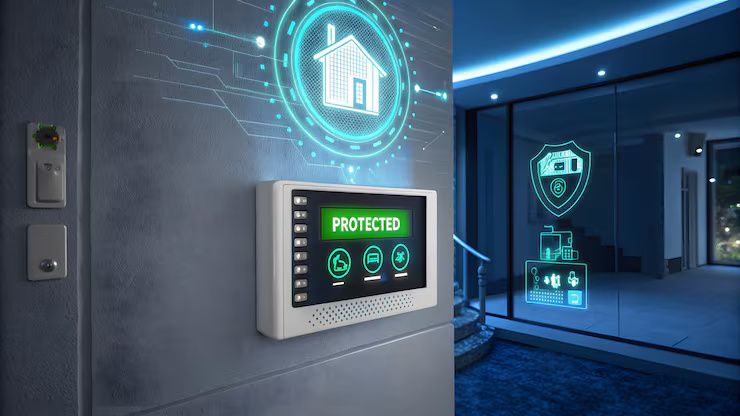
Smart home security systems combine internet-connected devices to monitor and protect your home. These systems go beyond traditional alarms by offering real-time alerts, remote access, and automation.
Instead of relying only on sirens or basic locks, today’s smart home systems integrate multiple components into one seamless setup.
Key Features of Smart Home Security
Most modern systems include:
- Wireless security cameras for home monitoring
- Motion sensors and door/window alerts
- Mobile app control for real-time updates
- Smart locks and access control
- Video doorbells with live streaming
These features work together to provide a connected and responsive security environment.
Why Smart Security Matters
Smart home security adds convenience along with protection. You can check your home anytime, from anywhere, using your phone or tablet.
It also helps you stay aware of unusual activity without being physically present. This makes it especially useful for busy households or frequent travelers.
Types of Cameras Home Security Options
Security cameras are often the core of any smart home system. They help monitor activity and provide visual records when needed.
Indoor Cameras
Indoor cameras are ideal for keeping an eye on pets, children, or entry points inside your home. They are usually compact and easy to install.
Common uses include:
- Monitoring living rooms or hallways
- Checking on elderly family members
- Observing indoor activity while away
Outdoor Cameras
Outdoor cameras are designed to handle weather conditions and provide wider coverage. They are typically placed at entrances, driveways, or backyard areas.
These cameras often include:
- Night vision capabilities
- Motion detection alerts
- Wide-angle views
Wireless Security Cameras for Home
Wireless cameras are becoming increasingly popular due to their flexibility. They don’t require complex wiring, making installation simpler.
Benefits include:
- Easy placement anywhere
- Remote access via apps
- Clean and minimal setup
Comparing Popular Smart Security Systems
Different smart home security systems offer unique features and user experiences. Some focus on automation, while others emphasize simplicity.
Below is a quick comparison of commonly discussed systems:
| Feature | Vivint Smart Home Security | Telus Home Security | General Smart Systems |
|---|---|---|---|
| Mobile App Control | Yes | Yes | Yes |
| Smart Device Integration | Advanced | Moderate | Varies |
| Wireless Camera Options | Available | Available | Common |
| Automation Capabilities | High | Moderate | Varies |
| Remote Monitoring | Yes | Yes | Yes |
This table gives a general overview to help you understand how different systems compare in functionality.
Exploring Vivint Smart Home Security
Vivint smart home security is widely recognized for its integration and ease of use. It combines security with automation, creating a connected experience.
What Makes Vivint Stand Out
Vivint security company focuses on bringing multiple devices under one platform. This means your cameras, locks, and sensors can all work together.
Some notable aspects include:
- Seamless app-based control
- Integration with smart home devices
- Customizable system configurations
Home Security Vivint Experience
Many users appreciate how home security Vivint systems simplify everyday tasks. For example, you can lock doors, check cameras, and adjust lighting—all from one app.
This level of control adds both convenience and awareness.
Understanding Telus Home Security
Telus home security is another option that blends monitoring with smart home features. It is known for providing a balanced approach to home protection.
Key Features of Telus Systems
Telus systems typically include:
- Smart cameras and sensors
- Mobile notifications
- Basic automation features
These systems are often chosen by users who prefer a straightforward setup with essential features.
How It Fits Into Smart Living
Telus home security supports everyday convenience by allowing remote access and monitoring. It integrates well with common smart devices, making it suitable for modern households.
Choosing the Right Smart Home Systems
Selecting the right smart home systems depends on your needs, lifestyle, and home layout. There is no one-size-fits-all solution.
Factors to Consider
When evaluating options, think about:
- The size of your home
- Number of entry points
- Indoor vs outdoor monitoring needs
- Desired level of automation
- Ease of use
Understanding these factors helps narrow down your choices.
Customization and Flexibility
Smart home security systems are highly customizable. You can start with basic components and expand over time.
For example:
- Begin with cameras and sensors
- Add smart locks or lighting later
- Integrate voice assistants if needed
This flexibility makes it easier to adapt the system as your needs change.
Tips for Using Smart Home Security Effectively
Getting the most out of your system requires proper setup and regular use. Small adjustments can improve both convenience and security.
Placement Matters
Position cameras where they cover key areas such as entrances and high-traffic zones. Avoid placing them too high or too low.
Keep Software Updated
Regular updates ensure your system runs smoothly and stays secure. Most smart systems notify you when updates are available.
Use Notifications Wisely
Enable alerts for important events like motion detection or door openings. This keeps you informed without overwhelming you.
Combine Devices for Better Results
Using multiple devices together creates a stronger security network. For example:
- Pair cameras with motion sensors
- Use smart locks with door sensors
- Integrate lighting with motion detection
This layered approach improves overall effectiveness.
Common Questions About Smart Home Security
Is Smart Security Difficult to Use?
Most systems are designed for ease of use. Mobile apps make it simple to control devices and monitor activity.
Do Wireless Cameras Work Well?
Wireless security cameras for home use are reliable when connected to a stable internet network. They are convenient and widely used.
Can I Expand My System Later?
Yes, most smart home systems allow you to add devices over time. This makes them adaptable to changing needs.
Conclusion
Smart home security systems are transforming how we protect and manage our homes. They offer more than just safety—they provide convenience, control, and peace of mind.
From cameras home security setups to advanced platforms like vivint smart home security and telus home security, there are many options available. The key is to understand your needs and choose a system that fits your lifestyle.
Start simple, expand gradually, and make the most of the technology available. A well-planned smart home system can make everyday living easier and more secure.