Kitchen Safety Enhancements: Essential Tips and Guide
A safe kitchen is more than just a clean space—it’s where thoughtful habits prevent accidents and protect health. From avoiding cooking fires to maintaining kitchen hygiene, small actions can make a big difference. Whether you’re cooking daily meals or trying new recipes, understanding kitchen safety helps create a secure and efficient environment for everyone at home.
This guide explores practical ways to improve cooking safety, handle appliances responsibly, and maintain proper food safety fridge storage without overcomplicating your routine.
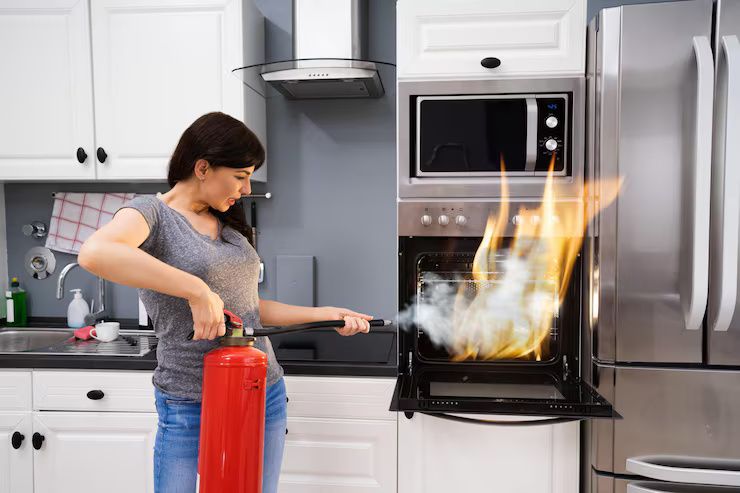
Understanding Kitchen Safety Basics
Kitchen safety begins with awareness. Many common hazards—like unattended cooking or improper storage—can be prevented with simple precautions. The goal is not perfection, but consistency.
At its core, kitchen safety involves three key areas:
- Preventing accidents like burns and cooking fires
- Maintaining cleanliness through kitchen and personal hygiene
- Using appliances correctly, including a safe air fryer or microwave
By focusing on these areas, you reduce risks and build safer cooking habits naturally.
Common Kitchen Risks to Watch
Even experienced cooks can overlook basic safety steps. Here are a few risks that often lead to problems:
- Leaving stovetops unattended while cooking
- Overloading electrical outlets with appliances
- Ignoring a microwave safe sign on containers
- Storing food incorrectly in the refrigerator
- Handling hot oil without proper care
Awareness of these risks is the first step toward prevention.
Smart Cooking Safety Practices
Cooking safety is not just about avoiding accidents—it’s about building reliable habits that protect you every time you step into the kitchen.
Safe Use of Kitchen Appliances
Modern appliances make cooking easier, but they still require careful handling.
A safe air fryer, for example, should always be placed on a flat, heat-resistant surface with enough space around it. Avoid blocking ventilation areas, and never overcrowd the basket, as it can lead to uneven cooking or overheating.
For microwaves:
- Always check for a microwave safe sign on containers
- Avoid using metal or foil
- Cover food loosely to prevent splatters
For stovetops:
- Turn pot handles inward to avoid accidental spills
- Keep flammable items away from open flames
- Use the right burner size for each pot
These small habits help prevent kitchen accidents and improve cooking efficiency.
Preventing Cooking Fires
Cooking fires are one of the most common kitchen hazards, but they are often preventable.
Here are a few practical steps:
- Never leave cooking unattended, especially when frying
- Keep a lid nearby to smother small flames
- Avoid overheating oil
- Clean grease buildup regularly
If a fire starts, avoid using water on oil fires. Instead, turn off the heat and cover the pan if safe to do so.
Kitchen Safety Rules Everyone Should Follow
Consistency is key when it comes to safety. Basic kitchen safety rules include:
- Wash hands before and after handling food
- Keep sharp objects stored properly
- Use separate boards for raw and cooked foods
- Keep children away from hot surfaces
- Clean spills immediately to prevent slips
These rules are simple but highly effective when followed regularly.
Importance of Kitchen Hygiene and Food Safety
Cleanliness plays a major role in preventing food-related issues. Good kitchen hygiene ensures that meals are not only delicious but also safe to eat.
Personal Hygiene in Kitchen
Maintaining personal hygiene in kitchen settings is essential. It helps prevent contamination and supports overall health.
Key habits include:
- Washing hands thoroughly before cooking
- Keeping nails clean and trimmed
- Wearing clean clothing or an apron
- Avoiding cooking when feeling unwell
These steps may seem basic, but they form the foundation of safe food handling.
Kitchen Hygiene Essentials
A clean kitchen reduces the risk of bacteria and contamination. Focus on these areas:
- Regularly disinfect countertops and cutting boards
- Wash utensils immediately after use
- Keep garbage bins covered and emptied frequently
- Store dry and fresh foods separately
Maintaining kitchen and personal hygiene together ensures a safer cooking environment overall.
Food Safety Fridge Storage Tips
Proper storage is critical for food safety. Incorrect refrigeration can lead to spoilage and potential health risks.
Below is a simple guide for organizing your fridge effectively:
| Food Type | Recommended Storage Area | Key Tip |
|---|---|---|
| Raw meat & poultry | Bottom shelf | Keep in sealed containers to avoid leaks |
| Dairy products | Middle shelves | Maintain consistent temperature |
| Fruits & vegetables | Crisper drawers | Store separately for freshness |
| Cooked leftovers | Upper shelves | Consume within a few days |
| Condiments | Door shelves | Keep tightly sealed |
Maintaining proper food safety fridge storage not only preserves food quality but also reduces waste.
Practical Tips for a Safer Kitchen
Improving kitchen safety doesn’t require major changes. Small adjustments can make a noticeable difference.
Organizing for Safety
A well-organized kitchen minimizes confusion and accidents.
- Keep frequently used items within easy reach
- Store heavy items at lower levels
- Label containers clearly
- Avoid clutter on countertops
An organized space supports both efficiency and safety.
Handling Heat and Equipment Carefully
Burns are one of the most common kitchen injuries. Prevent them by:
- Using oven mitts or heat-resistant gloves
- Opening lids away from your face to avoid steam burns
- Allowing appliances to cool before cleaning
- Checking cords and plugs for damage
Respecting heat sources is a key part of cooking safety.
Maintaining Safe Cooking Habits
Consistency matters more than complexity. Build habits that become second nature:
- Double-check that appliances are turned off after use
- Keep a timer when cooking to avoid distractions
- Avoid multitasking when handling hot oil
- Stay present while cooking
These habits reduce risks without adding extra effort.
Conclusion
Kitchen safety is built on awareness, hygiene, and consistent habits. By following simple kitchen safety rules, using appliances responsibly, and maintaining proper food safety fridge storage, you create a safer and more enjoyable cooking space.
Focus on small, practical improvements—like checking for a microwave safe sign, ensuring a safe air fryer setup, and maintaining kitchen hygiene daily. These actions may seem minor, but together they make a significant impact.
A safe kitchen supports better cooking, better health, and greater peace of mind every day.