Kitchen Flooring Material Guide: Smart Upgrade Tips
Upgrading your kitchen flooring can transform the entire feel of your home. It’s not just about looks—your floor handles spills, foot traffic, and daily wear. Choosing the right kitchen flooring material makes cooking, cleaning, and living easier and more enjoyable.
In this guide, you’ll explore practical kitchen flooring options, understand what works best in different situations, and learn how materials like terrazzo countertop surfaces and rubber kitchen flooring fit into modern kitchens.
Understanding Kitchen Flooring Material Choices
When selecting a kitchen flooring material, durability and maintenance should come first. Kitchens are high-activity spaces, so the floor must handle moisture, stains, and frequent movement.
The best kitchen flooring balances function and style. It should be easy to clean, comfortable to walk on, and resistant to water damage. Many homeowners also match flooring with elements like laminates for kitchen cabinets or a terrazzo kitchen worktop to create a cohesive look.
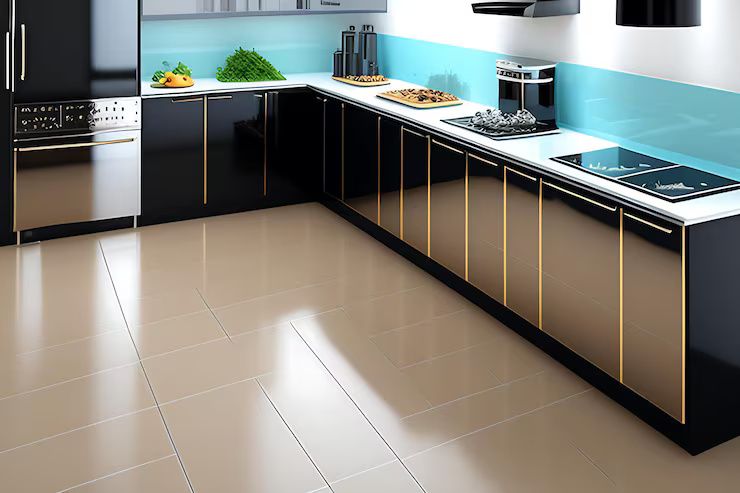
Here are some common types of kitchen flooring you’ll come across:
- Tile flooring (ceramic, porcelain)
- Natural stone
- Vinyl flooring
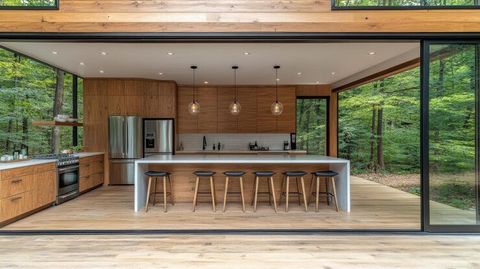
- Wood and engineered wood
- Rubber flooring for commercial kitchens and homes
- Terrazzo-style surfaces
Each option comes with its own strengths, depending on your needs and lifestyle.
Comparing Popular Kitchen Flooring Options
Choosing between different materials can feel overwhelming. To simplify, here’s a clear comparison of widely used kitchen flooring options:
| Flooring Type | Durability | Water Resistance | Maintenance Level | Comfort Underfoot | Style Versatility |
|---|---|---|---|---|---|
| Ceramic/Porcelain Tile | High | Excellent | Low | Medium | High |
| Vinyl Flooring | Medium | Excellent | Low | High | High |
| Natural Stone | High | Good | Medium | Medium | High |
| Wood Flooring | Medium | Low | Medium | High | Medium |
| Rubber Kitchen Flooring | High | Excellent | Low | Very High | Medium |
| Terrazzo Surface | Very High | Excellent | Low | Medium | High |
This table highlights how different materials perform in real kitchen conditions.
Choosing the Best Kitchen Floor Tile Material
Tile remains one of the most popular options for kitchens. It’s known for durability and water resistance, making it ideal for daily use.
When selecting the best kitchen floor tile material, consider:
- Porcelain tiles for high durability
- Ceramic tiles for a wide variety of designs
- Matte finishes for slip resistance
- Larger tiles for a seamless look
Tiles also pair well with laminates for kitchen cabinets, creating a modern and coordinated design. Neutral tones work especially well if you plan to update your cabinets later.
Exploring Terrazzo Countertop and Flooring Appeal
Terrazzo has made a strong comeback in kitchen design. Known for its speckled appearance, it blends chips of marble, quartz, or glass into a smooth surface.
A terrazzo countertop or terrazzo kitchen worktop adds a unique visual texture. When paired with matching flooring, it creates a seamless and stylish environment.
Benefits of terrazzo in kitchens include:
- Long-lasting surface
- Easy maintenance
- Wide design customization
- Smooth, polished finish
Terrazzo flooring works best in modern or minimalist kitchens, especially when combined with subtle cabinet finishes.
Rubber Kitchen Flooring for Practical Use
Rubber kitchen flooring is often associated with commercial kitchens, but it’s becoming more common in homes.
Rubber flooring for commercial kitchens is designed to handle heavy use, making it a practical choice for busy households as well.
Key advantages include:
- Slip resistance for safety
- Soft surface that reduces fatigue
- Noise reduction
- Easy cleaning
This type of flooring is especially useful in kitchens where cooking happens frequently. It provides comfort during long hours of standing and helps prevent accidents.
Matching Flooring with Kitchen Design Elements
Flooring should not be chosen in isolation. It needs to work with other elements like cabinets, countertops, and wall finishes.
Coordinating with Laminates for Kitchen Cabinets
Laminates for kitchen cabinets are popular due to their versatility and modern finish. When choosing flooring, consider how it complements cabinet color and texture.
Some simple pairing ideas:
- Light laminate cabinets + dark tile flooring for contrast
- Matte cabinets + textured stone flooring for depth
- Glossy laminates + terrazzo flooring for a contemporary look
Consistency in color tones helps create a balanced and visually appealing kitchen.
Balancing Function and Style
The best kitchen flooring is one that fits your daily routine. If your kitchen sees heavy use, durability should take priority over decorative appeal.
For example:
- Families with kids may prefer vinyl or rubber kitchen flooring
- Minimalist designs work well with terrazzo or large-format tiles
- Traditional kitchens often suit natural stone or wood textures
Think about how often you cook, clean, and move around the kitchen. Your habits should guide your decision.
Tips for Selecting the Right Kitchen Flooring
Choosing from different types of kitchen flooring becomes easier when you focus on practical factors.
1. Prioritize Water Resistance
Kitchens are prone to spills. Materials like tile, vinyl, and terrazzo handle moisture better than wood.
2. Consider Comfort
If you spend long hours cooking, softer surfaces like rubber kitchen flooring or cushioned vinyl can reduce strain on your feet.
3. Think About Maintenance
Low-maintenance flooring saves time and effort. Smooth surfaces are easier to clean compared to textured ones.
4. Focus on Safety
Slip-resistant finishes are important, especially in homes with children or elderly members.
5. Plan for Long-Term Use
Choose materials that can handle wear over time. Durable options like porcelain tile or terrazzo flooring often last longer with minimal upkeep.
Common Mistakes to Avoid
Even with the right information, it’s easy to make small mistakes when upgrading kitchen flooring.
- Ignoring moisture resistance
- Choosing style over practicality
- Not considering cleaning effort
- Mismatching flooring with cabinets
- Overlooking comfort underfoot
Avoiding these issues helps ensure your flooring remains functional and visually appealing for years.
Conclusion
Upgrading your kitchen flooring is a decision that impacts both style and everyday comfort. With so many kitchen flooring options available, the key is to find a balance between durability, maintenance, and design.
Whether you prefer the sleek look of a terrazzo countertop, the practicality of rubber flooring for commercial kitchens, or the versatility of tiles, each option offers unique benefits. Matching your flooring with laminates for kitchen cabinets and other elements ensures a cohesive and inviting space.
Take time to evaluate your needs, explore different materials, and choose a solution that fits your lifestyle. A well-chosen kitchen floor not only enhances your home’s appearance but also makes daily tasks more enjoyable and efficient.