Kitchen Island Design Guide: Smart & Stylish Ideas
A well-planned kitchen island design can completely change how your kitchen looks and functions. It’s more than just an extra counter—it becomes the heart of your space. Whether you’re working with a large layout or searching for tiny kitchen island ideas, the right approach can make your kitchen feel more organized, social, and efficient.
This guide breaks down everything you need to know, from layout choices to decor tips, so you can confidently plan your ideal kitchen and island design.
Understanding Kitchen Island Design and Functionality
Kitchen islands serve multiple purposes. They can be a prep station, dining area, storage hub, or even a focal point for entertaining guests. The best island design in kitchen planning balances both style and practicality.
When thinking about kitchen layouts with island, consider how you move through your kitchen. A good design supports smooth workflow between the sink, stove, and refrigerator—often called the “kitchen triangle.”
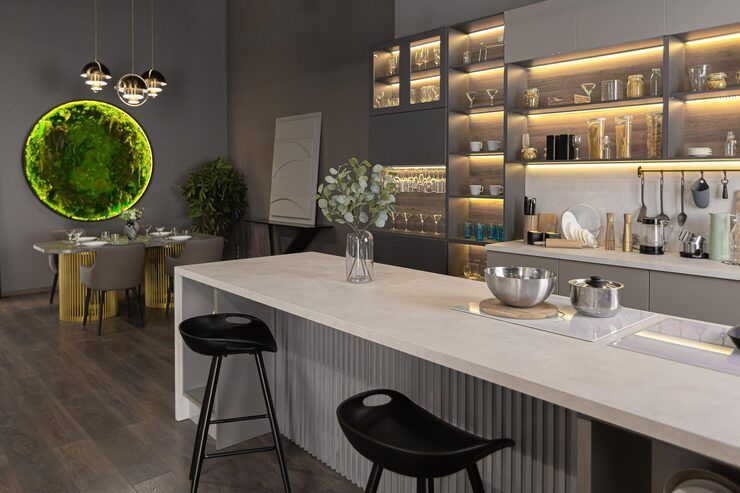
A thoughtfully designed island can:
- Add valuable workspace
- Provide extra storage
- Improve seating options
- Enhance overall visual appeal
The key is choosing a design that fits your space and lifestyle rather than forcing a trend that doesn’t suit your needs.
Choosing the Right Layout for Your Kitchen
Not every kitchen has the same layout, so your island should complement your existing structure. Here are a few common kitchen layouts with island options:
| Kitchen Layout Type | Island Compatibility | Key Benefit |
|---|---|---|
| Open Plan Kitchen | Highly suitable | Great for social interaction |
| L-Shaped Kitchen | Ideal | Adds balance and workspace |
| U-Shaped Kitchen | Moderate | Works if space allows movement |
| Galley Kitchen | Limited | Best for small or movable islands |
For kitchens with limited space, small kitchen island ideas focus on mobility and compact design. A slim or portable island can provide function without overcrowding.
If you're working with tight dimensions, prioritize:
- Clear walking space (at least 90 cm around the island)
- Multi-functional surfaces
- Lightweight or movable designs
Smart Ideas for Small and Tiny Kitchens
Designing kitchen islands for small kitchens can feel tricky, but it’s absolutely possible with the right approach. The goal is to maximize utility without making the room feel cramped.
Here are some practical tiny kitchen island ideas:
- Rolling Islands: Easy to move and store when not in use
- Foldable Extensions: Expand only when needed
- Narrow Islands: Perfect for tight walkways
- Open Shelving Islands: Keeps the space feeling light and airy
Another smart option is a dual-purpose island. For example, a surface that works as both a prep station and a casual dining area helps reduce the need for additional furniture.
Keep colors light and materials reflective to create a sense of openness. This trick is especially helpful in small kitchen island ideas where visual space matters just as much as physical space.
Exploring Modern Kitchen Island Styles
A modern kitchen island focuses on clean lines, minimal clutter, and functional elegance. It often blends seamlessly with the rest of the kitchen rather than standing out too much.
Key features of a modern kitchen island include:
- Flat-panel finishes
- Neutral or monochrome color schemes
- Integrated appliances
- Hidden storage solutions
Materials play a big role in defining the look. Popular choices include quartz countertops, matte finishes, and natural wood accents.
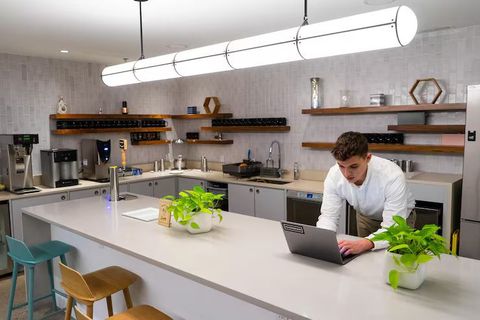
Lighting also enhances the overall design. Pendant lights above the island create a focal point while improving visibility. Choose simple, geometric designs to match the modern aesthetic.
If you want to add personality without overwhelming the design, consider subtle contrasts like mixing textures instead of colors.
Functional Features to Consider
A great kitchen island design is not just about looks—it should make your daily tasks easier. Before finalizing your design, think about how you plan to use the space.
Here are some features worth considering:
- Built-in Storage: Cabinets, drawers, or shelves for easy organization
- Seating Area: Perfect for quick meals or socializing
- Appliance Integration: Cooktops or sinks for added functionality
- Power Outlets: Useful for small appliances and charging devices
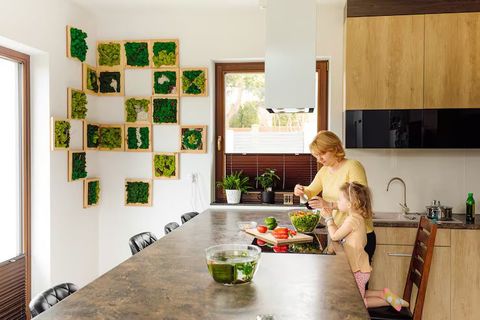
For families or those who enjoy entertaining, a larger island with seating can become a central gathering spot. On the other hand, if cooking is your priority, focus more on prep space and storage.
Balancing these elements ensures your kitchen and island design works efficiently for your lifestyle.
Creative Kitchen Island Decor Ideas
Once the structure is in place, styling your island brings everything together. Kitchen island decor ideas should enhance the space without cluttering it.
Here are a few simple ways to decorate your island:
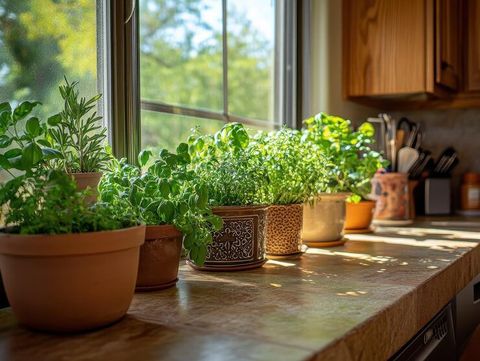
- Fresh Flowers or Greenery: Adds life and color
- Stylish Bowls or Trays: Keeps essentials organized
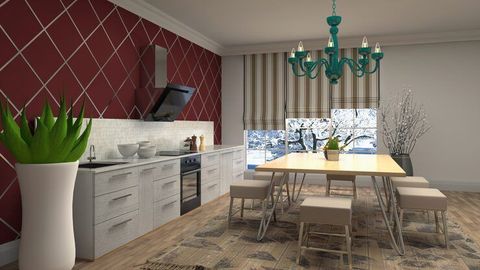
- Statement Lighting: Creates visual interest
- Bar Stools: Combines function with design
Avoid overcrowding the surface. A clean and minimal look often feels more inviting and practical.
Seasonal decor can also refresh your kitchen without making permanent changes. For example, swapping out small accessories or adding new textures can give your space a fresh feel.
Common Mistakes to Avoid
Even the most beautiful kitchen island ideas can fall short if certain basics are overlooked. Here are some common mistakes to watch out for:
- Ignoring Space Requirements: An oversized island can disrupt movement
- Lack of Storage Planning: Missed opportunity for organization
- Poor Lighting Choices: Can make the workspace less functional
- Overdecorating: Reduces usable space
Always prioritize function first, then build your design around it. A visually appealing island that doesn’t serve your needs will quickly become inconvenient.
Tips for Designing a Balanced Kitchen Island
Creating a well-balanced island involves combining practicality with style. Keep these tips in mind:
- Match the island design with your overall kitchen theme
- Use contrasting colors carefully to add depth
- Ensure comfortable seating height and spacing
- Plan for proper lighting and electrical access
Think of your island as part of a bigger system rather than a standalone feature. When everything works together, your kitchen feels more cohesive and efficient.
Conclusion
A thoughtfully planned kitchen island design can elevate both the look and functionality of your kitchen. Whether you’re exploring modern kitchen island styles or searching for small kitchen island ideas, the key is to tailor the design to your space and daily needs.
Focus on layout, functionality, and subtle decor to create a space that feels both practical and inviting. With the right approach, your island can become the centerpiece of your kitchen—perfect for cooking, gathering, and everyday living.