Water Heater Maintenance Guide: Smart Care Tips
Keeping your water heater in good shape doesn’t have to feel overwhelming. With a little attention and regular upkeep, you can avoid sudden breakdowns and enjoy a steady supply of hot water. This guide walks you through practical water heater maintenance habits, simple checks, and what to do when things go wrong.
Understanding Water Heater Maintenance Basics
Water heaters work quietly in the background, but they need occasional care to perform well. Whether you use a traditional tank model or a tankless unit, maintenance helps improve efficiency and reduce unexpected issues.
Regular water heater maintenance involves inspecting key components, flushing the system, and keeping an eye out for warning signs. It also helps extend the life of your system and ensures consistent performance.
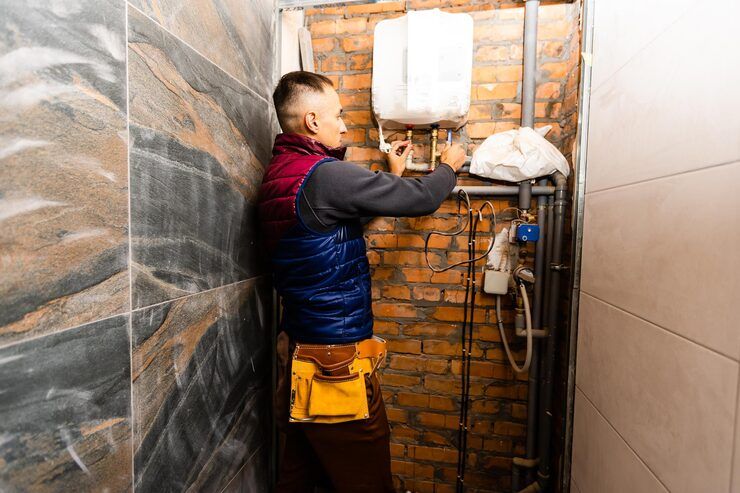
Ignoring small problems can sometimes lead to bigger issues, including the need for emergency water heater repair. Staying proactive is the best way to avoid inconvenience.
Common Signs Your Water Heater Needs Attention
Most water heaters give subtle signals before something goes wrong. Recognizing these early signs can help you act before the issue worsens.
Here are a few things to watch for:
- Water not heating properly
- Strange noises like popping or rumbling
- Discolored or rusty water
- Water leaks around the unit
- Inconsistent water temperature
If you notice any of these, it may be time to consider water heater repair. Addressing these signs early can prevent more complex damage.
Tank vs. Tankless Maintenance Differences
Not all water heaters are the same. Understanding the difference between tank and tankless systems can help you maintain them properly.
Tank Water Heaters
These store hot water in a reservoir. Over time, sediment can build up at the bottom, affecting efficiency.
Tankless Water Heaters
These heat water on demand. They are energy-efficient but require regular tankless water heater maintenance to prevent mineral buildup.
Here’s a simple comparison:
| Feature | Tank Water Heater | Tankless Water Heater |
|---|---|---|
| Water Storage | Stores hot water | Heats water instantly |
| Maintenance Frequency | Moderate | Regular |
| Common Issue | Sediment buildup | Mineral scaling |
| Cleaning Requirement | Occasional flushing | Frequent descaling |
| Repair Type | General water heater repair | Tankless water heater repair |
Tankless units may also require specific care, such as tankless water heater cleaning, to keep them running efficiently.
How to Maintain Your Water Heater Properly
Routine care doesn’t require advanced skills. A few simple steps can make a noticeable difference in performance and longevity.
1. Flush the Tank Regularly
Sediment buildup can reduce efficiency. Draining and flushing the tank helps keep it clean.
2. Check the Pressure Relief Valve
This valve ensures safety by releasing excess pressure. Test it occasionally to confirm it’s working properly.
3. Inspect for Leaks
Look around the base and connections. Even small leaks can signal bigger problems ahead.
4. Adjust Temperature Settings
Keeping the temperature at a moderate level helps reduce wear and improves safety.
5. Clean Tankless Systems
Tankless water heater cleaning is essential, especially in areas with hard water. Mineral deposits can affect performance if left unchecked.
Deeper Insights Into Water Heater Care
Proper care goes beyond basic maintenance. Understanding how your system works can help you make better decisions when issues arise.
When to Consider Repairs
Even with good maintenance, parts can wear out over time. Knowing when to take action is key.
You may need water heater repair if:
- The unit stops producing hot water
- You hear loud or unusual sounds
- Water pressure drops significantly
- The system cycles on and off frequently
For tankless units, issues like inconsistent heating may require tankless hot water heater repair. Some models, such as those needing rheem tankless water heater repair, may also have brand-specific considerations.
Handling Emergency Situations
Sometimes problems happen without warning. In such cases, quick action is important.
Situations that may require hot water heater emergency repair include:
- Sudden water leaks
- No hot water at all
- Electrical or gas-related concerns
- Unusual burning smells
In these moments, turning off the power or gas supply can help reduce risk. While emergency water heater repair may be necessary, staying calm and acting quickly is the priority.
Preventive Tips for Long-Term Performance
A little effort goes a long way when it comes to keeping your water heater running smoothly.
Here are some helpful tips:
- Schedule regular inspections
- Keep the area around the heater clean
- Monitor water quality if you live in a hard water area
- Use a water softener if needed
- Stay alert to small changes in performance
These habits can reduce the chances of needing frequent repairs and help your system last longer.
Common Mistakes to Avoid
Even with the best intentions, some mistakes can lead to problems over time.
Avoid these common issues:
- Skipping regular maintenance
- Ignoring minor warning signs
- Setting the temperature too high
- Neglecting tankless water heater maintenance
- Delaying necessary repairs
Taking a balanced approach ensures your system remains efficient and reliable.
Conclusion
Water heater maintenance is all about consistency and awareness. By understanding how your system works and paying attention to early signs, you can avoid many common problems.
Simple steps like flushing the tank, checking for leaks, and performing regular inspections can make a big difference. Whether you’re dealing with a traditional system or need tankless water heater repair, staying proactive helps maintain comfort and peace of mind.
Remember, small actions today can prevent bigger issues tomorrow. Keep your water heater in check, and it will continue to serve you reliably.