Tool Kit Organization Guide for DIY Equipment
Keeping your tools organized at home can make every project smoother and far less stressful. Whether you enjoy occasional DIY work or handle regular repairs, a well-arranged toolkit saves time and effort. This guide walks you through practical ways to organize tools and DIY equipment without relying on a garage setup.
Understanding Tool Kit and DIY Equipment Organization
Organizing your tools isn’t just about neatness. It’s about efficiency, safety, and making your workspace work for you. When everything has a place, you avoid wasting time searching for items or replacing tools you already own.
Many people store tools in closets, spare rooms, or even under beds. Without a clear system, these spaces quickly become cluttered. A thoughtful setup ensures your tools stay accessible while keeping your home tidy.
A good organization system should be:
- Easy to maintain
- Adaptable as your collection grows
- Suitable for your available space
- Safe for daily use
Smart Storage Solutions for Small Spaces
Not everyone has a dedicated workshop, and that’s perfectly fine. You can still create an efficient setup with a few smart strategies.
Vertical Storage for Maximum Space
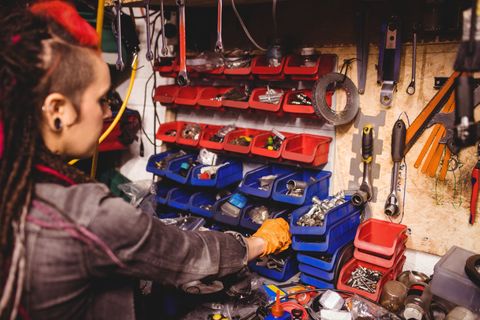
Walls are often underused. Installing wall-mounted racks or pegboards helps you store tools without taking up floor space. This method works well in apartments, utility rooms, or balconies.
Hooks and shelves allow you to:
- Keep frequently used tools visible
- Group similar items together
- Free up drawers for smaller items
Compact Storage Units
Stackable boxes, rolling carts, and multi-tier organizers are ideal for tight spaces. They can be moved easily and stored in corners or closets when not in use.
Transparent containers are especially helpful. You can quickly identify what’s inside without opening each box.
Multi-Purpose Furniture
Furniture with hidden storage can double as tool organizers. Benches, ottomans, or cabinets with compartments help maintain a clean look while storing equipment neatly.
Categorizing Tools for Better Access
One of the most effective ways to stay organized is by grouping tools based on their purpose. This approach reduces confusion and speeds up your workflow.
Common Tool Categories
Here’s a simple table to help you organize your toolkit:
| Category | Examples | Storage Suggestion |
|---|---|---|
| Hand Tools | Screwdrivers, pliers, hammers | Drawer organizers |
| Power Tools | Drills, sanders | Shelves or sturdy bins |
| Fasteners | Nails, screws, bolts | Small labeled containers |
| Measuring Tools | Tape measures, levels | Hanging hooks or slim trays |
| Safety Equipment | Gloves, goggles | Separate accessible box |
Keeping similar tools together makes it easier to find what you need quickly.
Labeling for Clarity
Labels may seem simple, but they make a big difference. Clear labels help everyone in the household know where tools belong.
You can use:
- Sticker labels
- Color coding
- Marker-written tags
Consistency is key. Once you create a system, stick with it.
Creating a Functional Workflow
Organizing tools is not just about storage. It’s also about how you use them during projects.
Arrange by Frequency of Use
Place frequently used tools within easy reach. Items you rarely use can go on higher shelves or in deeper storage.
This setup helps you:
- Work faster
- Reduce unnecessary movement
- Keep your workspace efficient
Dedicated Work Zones
Even without a garage, you can create a small work zone. This could be a table, a foldable desk, or a corner of a room.
Keep essential tools nearby and ensure good lighting. A defined area helps you stay focused and keeps tools from spreading across your home.
Portable Tool Kits
A portable toolkit is useful for quick tasks. Instead of carrying multiple items, you can keep a small set of essential tools ready to go.
Typical portable kit items include:
- Screwdriver set
- Measuring tape
- Adjustable wrench
- Utility knife
This approach is especially helpful for small repairs.
Maintaining Organization Over Time
Setting up your system is only the first step. Keeping it organized requires regular attention.
Routine Checks
Spend a few minutes after each project returning tools to their proper place. This habit prevents clutter from building up.
Weekly or monthly checks help you:
- Remove unnecessary items
- Reorganize misplaced tools
- Keep everything clean
Declutter Regularly
Over time, tool collections can grow unnecessarily. You might have duplicates or items you no longer use.
Ask yourself:
- Do I use this tool often?
- Is it still in working condition?
- Does it serve a purpose?
If not, consider removing it from your collection.
Clean and Maintain Tools
Clean tools last longer and perform better. Wipe them down after use and store them in dry conditions.
Simple maintenance includes:
- Removing dust and debris
- Checking for wear or damage
- Keeping moving parts lubricated
Safety Considerations in Tool Organization
Safety should always be part of your organization plan. Poorly stored tools can lead to accidents.
Safe Storage Practices
Store sharp or heavy tools in secure locations. Keep them out of reach of children if needed.
Use:
- Lockable boxes
- Covered containers
- Stable shelving
Proper Handling and Placement
Avoid stacking tools loosely. Items should be placed in a way that prevents falling or shifting.
Ensure:
- Heavy tools are stored lower
- Sharp edges are covered
- Electrical tools are stored safely
Simple Tips for Better Organization
Small adjustments can make a big difference in how your toolkit functions.
Keep It Minimal
Avoid overloading your storage spaces. A clean and simple setup is easier to manage.
Use Dividers
Drawer dividers help separate tools and prevent clutter. They make it easier to find items quickly.
Rotate Seasonal Tools
Some tools are used only occasionally. Store them separately and rotate them based on your needs.
Stay Consistent
Consistency is what keeps your system working. Always return tools to their designated place.
Adapting Your System as You Grow
Your tool collection will likely expand over time. Your organization system should adapt accordingly.
Upgrade Storage When Needed
If your current setup feels crowded, consider adding:
- Extra shelves
- Additional bins
- Larger organizers
Reevaluate Layout
As your needs change, rearrange your setup. What worked before may not be the most efficient now.
Keep Learning
Explore new organization ideas and adjust your system. Small improvements can lead to better efficiency.
Conclusion
Organizing your toolkit and DIY equipment doesn’t require a large space or complex setup. With the right approach, even small areas can become highly functional.
Focus on clear categories, smart storage, and consistent habits. Keep your tools accessible, safe, and easy to maintain. Over time, a well-organized system will make every DIY task more enjoyable and efficient.