Indoor Plant Care Guide and Organization Tips
Indoor plants bring life, color, and a calming presence into any space. But keeping them healthy and organizing their supplies can feel overwhelming at times. The good news is that with a few simple habits and a thoughtful setup, you can make plant care both enjoyable and efficient.
This guide walks you through practical ways to care for indoor plants while keeping your tools and supplies neatly organized.
Understanding Indoor Plant Care Basics
Indoor plant care starts with understanding what your plants need to thrive. Each plant is different, but most share a few common requirements: light, water, air, and proper soil.
Light is one of the most important factors. Some plants love bright, direct sunlight, while others prefer softer, indirect light. Observing how sunlight moves through your home can help you place each plant in the right spot.
Watering is another key aspect. Overwatering is one of the most common mistakes. Instead of sticking to a strict schedule, check the soil. If the top layer feels dry, it’s usually time to water.
Air circulation and humidity also matter. Indoor environments can be dry, especially with air conditioning or heating. Some plants benefit from occasional misting or being placed near a humid area like a kitchen.
Soil quality plays a silent but critical role. Using the right type of soil mix helps roots breathe and absorb nutrients efficiently.
Choosing the Right Plants for Your Space
Not all indoor plants are suited for every environment. Some thrive in low-light corners, while others need bright windows.
If you’re new to indoor gardening, start with low-maintenance plants. These are more forgiving and help you build confidence.
Here are a few characteristics to consider when selecting plants:
- Light availability in your home
- Time you can dedicate to care
- Room temperature and airflow
- Space for growth
Matching plants to your lifestyle makes care easier and more consistent.
Watering and Feeding: Finding the Balance
Watering is not just about frequency; it’s about understanding your plant’s needs. Too much water can lead to root rot, while too little can cause wilting.
A helpful approach is to:
- Check soil moisture before watering
- Use pots with drainage holes
- Avoid letting water sit in trays
Feeding plants with nutrients is also important. Most indoor plants benefit from occasional fertilizing during their growing season. However, more is not always better. Overfeeding can harm plants.
Consistency matters more than intensity. A simple routine works better than irregular, heavy care.
Common Indoor Plant Problems
Even with good care, plants can face issues. Recognizing early signs helps prevent bigger problems.
Here are some common issues and what they might indicate:
- Yellow leaves: Often a sign of overwatering
- Brown edges: Could be low humidity or inconsistent watering
- Drooping leaves: May indicate underwatering or stress
- Slow growth: Possibly due to lack of light or nutrients
Keeping an eye on your plants regularly allows you to adjust care before problems worsen.
Organizing Indoor Plant Supplies
Plant care becomes much easier when your tools and supplies are well organized. A clutter-free setup saves time and keeps everything within reach.
Essential Plant Care Supplies
Having the right tools makes routine care smoother and more enjoyable. You don’t need a large collection—just a few basics.
Here’s a simple table to help you organize your essentials:
| Supply Item | Purpose | Storage Tip |
|---|---|---|
| Watering can | Controlled watering | Keep near plant area |
| Spray bottle | Mist leaves for humidity | Store on a small shelf |
| Pruning scissors | Trim dead or overgrown parts | Use a drawer organizer |
| Gloves | Protect hands while gardening | Hang on a hook |
| Soil mix | Repotting and soil refresh | Store in sealed containers |
| Fertilizer | Provide nutrients | Label clearly and keep dry |
| Pots and trays | Plant housing and drainage | Stack neatly in one area |
This simple setup ensures you always know where everything is.
Creating a Dedicated Plant Care Zone
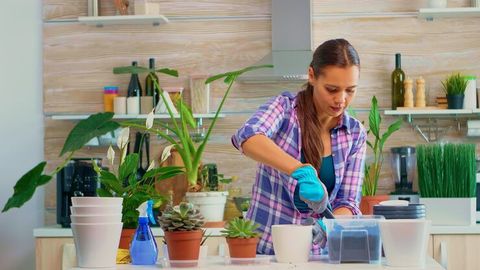
Designating a specific area for plant care can make a big difference. It doesn’t have to be large—a small corner or shelf works well.
A plant care zone can include:
- A storage basket or cabinet for tools
- A surface for repotting
- Easy access to water
Keeping everything in one place reduces mess and saves time during maintenance.
If space is limited, consider vertical storage like wall shelves or hanging organizers. These keep supplies accessible without taking up floor space.
Keeping Your Setup Clean and Tidy
Cleanliness is often overlooked in plant care, but it’s essential for both plant health and home aesthetics.
After repotting or trimming, clean tools and wipe surfaces. This prevents the spread of pests and diseases.
Simple habits can make a big difference:
- Wash tools after use
- Remove fallen leaves regularly
- Wipe plant leaves to remove dust
- Keep soil containers sealed
A tidy setup not only looks better but also supports healthier plants.
Smart Tips for Efficient Plant Care
Once you understand the basics and organize your supplies, you can refine your routine with a few smart strategies.
Build a Simple Routine
Consistency is more important than complexity. Create a weekly routine that fits your schedule.
For example:
- Check soil moisture twice a week
- Inspect leaves for changes
- Rotate plants for even light exposure
Keeping things simple helps you stay consistent without feeling overwhelmed.
Label and Track Your Plants
If you have multiple plants, it can be helpful to label them. This is especially useful if they have different care needs.
You can also keep a small notebook or digital note with:
- Watering dates
- Fertilizing schedule
- Observations about growth
This makes it easier to notice patterns and adjust care accordingly.
Rotate and Rearrange Thoughtfully
Plants naturally grow toward light. Rotating them occasionally ensures balanced growth.
Rearranging plants can also help you:
- Optimize light exposure
- Prevent overcrowding
- Refresh the look of your space
Small adjustments can improve both plant health and room aesthetics.
Stay Patient and Observant
Plants don’t respond instantly. Changes in growth or health take time.
Instead of reacting quickly to every small change, observe patterns over a few days. This helps you make more informed decisions.
Patience is a key part of successful indoor plant care.
Conclusion
Indoor plant care doesn’t have to be complicated. By understanding basic needs like light, water, and soil, you can create a strong foundation for healthy plants.
Organizing your supplies adds another layer of ease. When tools are accessible and your setup is tidy, routine care becomes more efficient and enjoyable.
Start small, stay consistent, and pay attention to your plants. Over time, you’ll develop a rhythm that works for both you and your indoor garden.