Smart Water Leak Detection Systems: Complete Guide
Water damage is one of those problems that often starts small and goes unnoticed—until it becomes serious. A slow drip under a sink or a hidden pipe leak can lead to costly repairs and unnecessary stress. That’s where smart water leak detection systems come in.
These devices are designed to detect leaks early and alert you instantly. Whether you’re at home or away, a smart water leak detector helps you stay informed and take action before damage spreads. In this guide, we’ll break down how these systems work, what features matter most, and how to choose the right one.
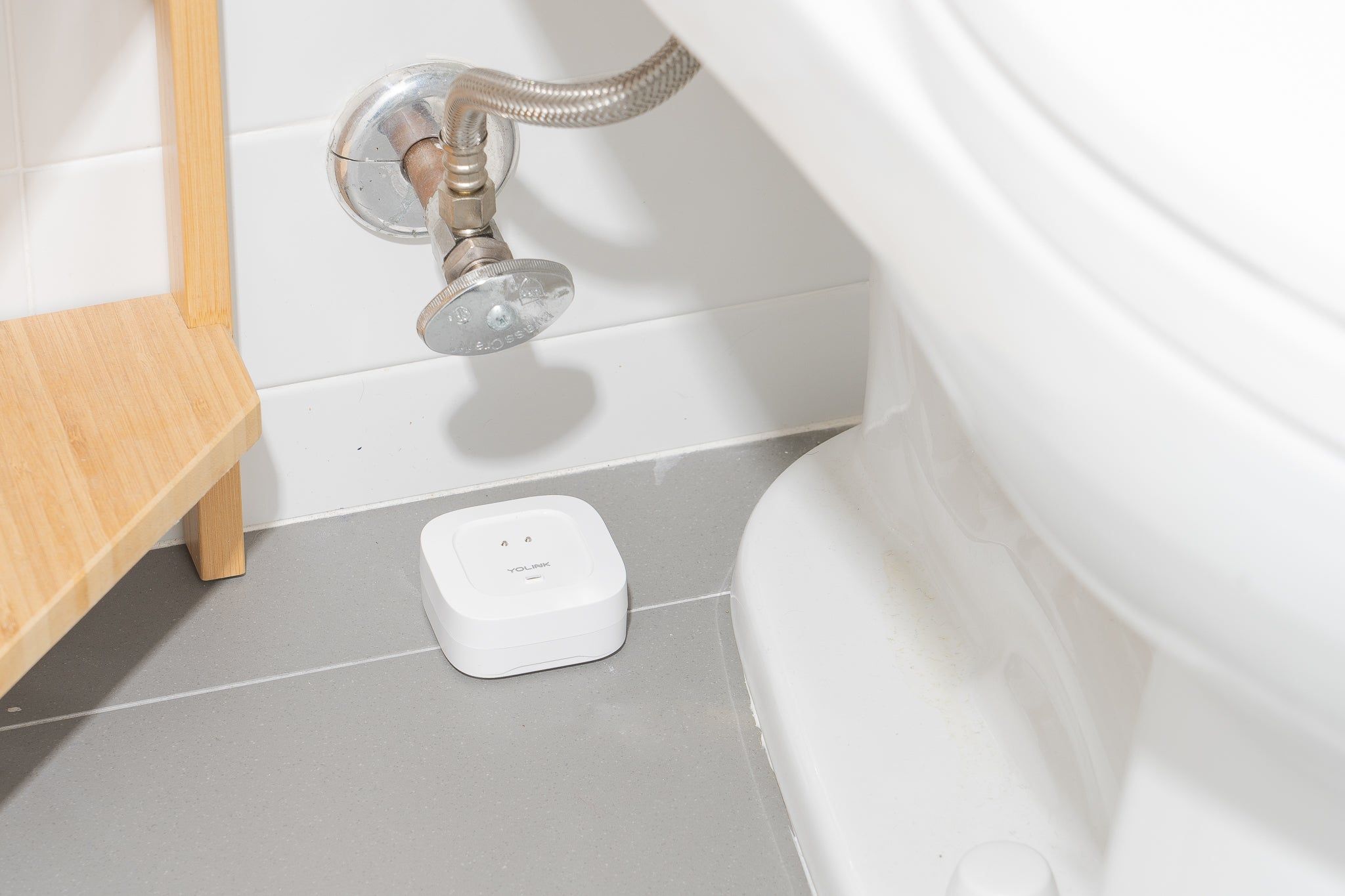
What Are Smart Water Leak Detection Systems?
Smart water leak detection systems are devices that monitor moisture levels and detect unusual water presence. Once they sense a leak, they send alerts to your smartphone or trigger an alarm.
Unlike traditional detectors, modern systems often connect through Wi-Fi. A wifi water leak detector can notify you in real time, even if you’re miles away from your property.
These systems are commonly placed in areas like:
- Under sinks
- Near water heaters
- Behind washing machines
- Basements or crawl spaces
They provide early warnings, which can help reduce potential damage and maintenance issues.
How Leak Detection Sensors Work
At the core of every system are leak detection sensors water technology relies on. These sensors detect moisture or changes in water flow patterns.
Types of Sensors
There are generally two main types:
-
Spot Sensors
These detect water when it comes into direct contact with the device. Ideal for small areas. -
Flow-Based Sensors
Installed in plumbing systems, these monitor water usage and detect unusual patterns that may indicate a leak.
A smart water leakage sensor combines these technologies with connectivity features, allowing you to monitor your home remotely.
Alerts and Notifications
Most devices offer:
- Push notifications via mobile apps
- Audible alarms
- Integration with smart home systems
A water sensor alarm wifi setup ensures you receive alerts instantly, helping you act quickly.
Popular Features to Look For
Not all leak detectors are created equal. When choosing one, it’s important to focus on features that match your needs.
Connectivity Options
A wifi leak detector is one of the most convenient options. It connects directly to your home network, allowing real-time alerts without additional hubs.
Some systems also support:
- Bluetooth for local alerts
- Smart home integration (like voice assistants)
Battery Life and Power Source
Most detectors run on batteries, but battery life can vary. Look for:
- Long-lasting batteries
- Low-battery alerts
Some advanced models offer rechargeable options.
Sensitivity and Accuracy
A good smart water leak detector should detect even small amounts of moisture. Adjustable sensitivity settings can help reduce false alarms.
Expandability
If you have a larger home, consider systems that support multiple sensors. This allows you to monitor several areas at once.
Understanding Advanced Systems Like Moen Devices
Some brands offer more advanced solutions with added features. For example, the moen water leak detector series includes smart capabilities designed for whole-home monitoring.
What Makes These Systems Different?
Devices like the moen leak detector go beyond simple moisture detection. They often include:
- Continuous water monitoring
- App-based insights
- Automatic shut-off options (in some models)
The moen smart water detector and moen flo smart water detector are examples of systems that provide detailed tracking of water usage and potential leaks.
These systems are especially useful for homeowners who want a more comprehensive approach to water management.
Comparing Key Features
Below is a simple comparison of common features across different types of leak detectors:
| Feature | Basic Sensor | WiFi-Enabled Detector | Advanced Smart System |
|---|---|---|---|
| Real-time alerts | No | Yes | Yes |
| Mobile app integration | No | Yes | Yes |
| Water usage monitoring | No | Limited | Yes |
| Automatic shut-off | No | No | Available in some models |
| Multi-sensor support | Limited | Yes | Yes |
| Remote access | No | Yes | Yes |
This table helps highlight how different systems cater to different needs.
Where to Place Leak Detectors
Placement plays a big role in how effective your system will be. Even the best smart water leakage sensor won’t help if it’s in the wrong spot.
High-Risk Areas
Focus on areas where leaks are more likely:
- Under kitchen and bathroom sinks
- Near water heaters
- Around washing machines and dishwashers
- Near HVAC units
Tips for Placement
- Keep sensors close to the ground
- Avoid placing them in areas prone to splashing
- Test placement after installation
Strategic placement ensures faster detection and more reliable alerts.
Benefits of Using Smart Leak Detectors
Installing a smart water leak detector offers several advantages beyond just leak detection.
Early Detection
The biggest benefit is catching leaks early. Even small leaks can cause damage over time, and early alerts help prevent that.
Remote Monitoring
With a wifi water leak detector, you can monitor your home from anywhere. This is especially useful during travel.
Peace of Mind
Knowing your home is being monitored reduces worry. You don’t have to constantly check for leaks manually.
Integration with Smart Homes
Many systems integrate with existing smart home setups. This allows for automation, such as shutting off water when a leak is detected.
Common Questions About Leak Detectors
Do These Devices Work Without Wi-Fi?
Yes, some basic models work without Wi-Fi, but they only provide local alerts. A wifi leak detector offers more flexibility and remote notifications.
Are They Difficult to Install?
Most devices are easy to install. Spot sensors usually require no tools—just place them where needed.
Can They Prevent All Water Damage?
No system can guarantee complete prevention. However, they significantly reduce the risk by providing early warnings.
Practical Tips for Choosing the Right System
Choosing the right detector depends on your home and lifestyle.
Consider Your Home Size
- Small homes: A few spot sensors may be enough
- Larger homes: Look for systems with multiple sensors
Think About Connectivity
If you travel often, a water sensor alarm wifi setup is essential for remote monitoring.
Evaluate Features Carefully
Focus on features you’ll actually use. Advanced options are helpful, but not always necessary for every home.
Test Regularly
Once installed, test your system periodically. This ensures sensors and alerts are working properly.
Conclusion
Smart water leak detection systems are a practical way to stay ahead of potential water damage. From simple spot sensors to advanced systems like the moen flo smart water detector, there are options for every type of home.
The key is choosing a system that fits your needs and placing it strategically. A well-installed smart water leakage sensor can provide early alerts, helping you respond quickly and reduce potential damage.
By understanding how these systems work and what features matter most, you can make a more informed decision and protect your space more effectively.