Smart Irrigation Systems for Gardens: A Helpful Guide
Gardening has evolved far beyond manual watering and guesswork. Today, smart irrigation systems bring convenience, efficiency, and better plant care into one seamless solution. Whether you have a small backyard or a large landscape, these systems help manage water usage while keeping your garden healthy.
In this guide, you’ll learn how smart irrigation works, the different types available, and practical tips to choose the right setup for your needs.
Understanding Smart Irrigation Systems
Smart irrigation systems use technology to automate and optimize watering schedules. Instead of watering plants at fixed times, they adjust based on weather conditions, soil moisture, and plant needs.
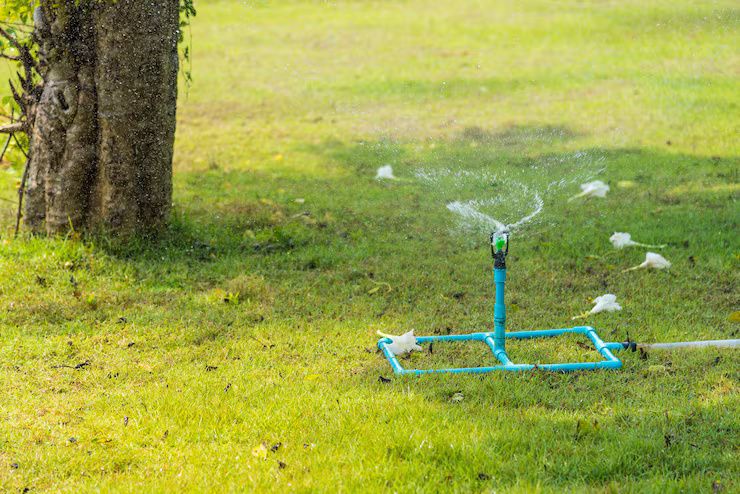
This makes them far more efficient than traditional systems. A smart lawn sprinkler, for example, can reduce unnecessary watering during rainy days and increase watering during dry periods.
Many systems now connect to mobile apps, allowing you to control your irrigation remotely. This is where tools like an app controlled lawn sprinkler or wifi lawn sprinkler become especially useful.
How Smart Irrigation Works
Most systems rely on a combination of sensors and programming. These include:
- Soil moisture sensors that detect dryness levels
- Weather-based controllers that adjust schedules
- Timers for programmable sprinkler setups
- Connectivity features like Bluetooth or Wi-Fi
A bluetooth sprinkler is ideal for short-range control, while a wifi lawn sprinkler offers remote access from anywhere.
Types of Smart Irrigation Systems
There are several types of systems designed for different garden sizes and watering needs. Choosing the right one depends on your space, plant types, and how much automation you want.
Programmable and Automated Sprinklers
A programmable sprinkler allows you to set watering schedules in advance. This is useful for maintaining consistency, especially if you travel often or have a busy routine.
A programmable lawn sprinkler or programmable water sprinkler typically lets you:
- Set watering times and durations
- Adjust frequency based on seasons
- Customize zones for different plants
These systems are simple but effective, especially for beginners.
App-Controlled and Wi-Fi Systems
Modern irrigation systems often include app integration. An app controlled lawn sprinkler gives you full control from your smartphone.
With a wifi lawn sprinkler, you can:
- Monitor water usage
- Adjust schedules remotely
- Receive alerts for weather changes
These features make them one of the best smart sprinkler options for tech-savvy gardeners.
Drip Irrigation Systems
Drip irrigation is ideal for targeted watering. Instead of spraying water across a wide area, it delivers water directly to plant roots.
Systems like bhyve drip irrigation are designed to combine precision with smart control. They are especially useful for:
- Vegetable gardens
- Flower beds
- Water-sensitive plants
Drip systems also help minimize water waste, making them environmentally friendly.
Key Features to Look For
When choosing a smart irrigation system, it’s important to focus on features that match your gardening needs.
Here’s a quick comparison table to help you understand different system types:
| Feature | Basic Sprinkler | Programmable Sprinkler | Smart Wi-Fi Sprinkler |
|---|---|---|---|
| Manual Control | Yes | Limited | Yes |
| Scheduling | No | Yes | Advanced |
| Remote Access | No | No | Yes |
| Weather Adjustment | No | No | Yes |
| Water Efficiency | Moderate | Good | High |
| App Integration | No | No | Yes |
This table highlights how smart systems offer more flexibility and control compared to traditional setups.
Benefits of Smart Irrigation
Smart irrigation systems provide several advantages beyond convenience.
- Water efficiency: Reduces overwatering and waste
- Healthier plants: Delivers water based on actual needs
- Time-saving: Eliminates manual watering routines
- Remote management: Control your system from anywhere
- Adaptability: Adjusts to changing weather conditions
These benefits make them a practical choice for modern gardening.
Choosing the Right System for Your Garden
Selecting the right irrigation system depends on a few important factors. Understanding your garden layout and requirements will help you make a better decision.
Consider Your Garden Size
For small gardens, a bluetooth sprinkler or simple programmable sprinkler may be enough. These systems are easy to set up and manage.
For larger spaces, a smart lawn sprinkler with Wi-Fi connectivity is more suitable. It allows you to control multiple zones and manage watering efficiently.
Think About Plant Types
Different plants have different watering needs. For example:
- Lawns need even and consistent watering
- Vegetables require targeted irrigation
- Flowers may need moderate watering
A programmable lawn sprinkler works well for lawns, while bhyve drip irrigation is better for plants that need precise watering.
Evaluate Connectivity Needs
If you prefer convenience, go for a wifi lawn sprinkler or app controlled lawn sprinkler. These systems give you flexibility and control from your phone.
If you only need basic automation, a programmable water sprinkler might be sufficient.
Installation and Setup Tips
Setting up a smart irrigation system doesn’t have to be complicated. With a few simple steps, you can get started quickly.
Plan Your Layout
Before installing, map out your garden:
- Identify watering zones
- Note plant types and their needs
- Check water pressure and connections
This ensures even coverage and efficient operation.
Start with Simple Programming
If you’re using a programmable sprinkler, begin with basic schedules. You can adjust them later based on plant response and weather conditions.
Avoid overwatering in the beginning. It’s better to gradually increase watering if needed.
Use Sensors for Better Results
Adding soil moisture or weather sensors improves accuracy. These tools help your system respond to real conditions instead of fixed schedules.
This is especially useful when using a smart lawn sprinkler or best smart sprinkler setup.
Common Mistakes to Avoid
Even with smart systems, certain mistakes can affect performance. Being aware of them helps you get better results.
Overwatering
It’s easy to assume more water is better. In reality, overwatering can harm plants and waste resources.
Use system settings wisely and rely on sensors whenever possible.
Ignoring Seasonal Changes
Watering needs change with seasons. Adjust your schedules during summer, monsoon, and winter to match plant requirements.
A wifi lawn sprinkler often includes seasonal adjustment features to make this easier.
Poor Placement of Sprinklers
Incorrect placement can lead to uneven watering. Make sure your programmable lawn sprinkler covers all areas without overlap or gaps.
Practical Tips for Better Irrigation
To get the most out of your system, keep these practical tips in mind:
- Water early in the morning to reduce evaporation
- Group plants with similar water needs
- Regularly check for leaks or blockages
- Update schedules based on plant growth
- Clean sprinkler heads periodically
These small actions can improve efficiency and extend the life of your system.
Conclusion
Smart irrigation systems bring a new level of control and efficiency to gardening. Whether you choose a programmable sprinkler, a bluetooth sprinkler, or a fully app controlled lawn sprinkler, the goal is the same—healthy plants with optimized water usage.
Start with a system that matches your garden size and needs. Over time, you can upgrade to more advanced features like wifi lawn sprinkler setups or bhyve drip irrigation for better precision.
With the right approach, maintaining your garden becomes easier, more efficient, and far more enjoyable.