Smart Door Locks and Access Control: A Helpful Guide
Smart security is no longer a luxury—it’s becoming a standard part of modern homes and workplaces. From simple upgrades like a finger print lock door to more advanced systems such as wireless access control door lock solutions, people are shifting toward keyless convenience.
This guide explains how these systems work, why they matter, and how they fit into everyday life. Whether you're exploring options for your home or learning about keyless door entry systems for business, this article keeps things clear and practical.
Understanding Smart Door Locks and Access Control
Smart door locks are electronic systems that replace or enhance traditional locks. Instead of physical keys, they rely on digital authentication methods like fingerprints, cards, PINs, or mobile apps.
Access control systems go a step further. They allow you to decide who can enter, when they can enter, and how access is granted. These systems are widely used in both homes and businesses.
At their core, these technologies aim to improve security while making access easier to manage.
Why People Are Choosing Keyless Systems
Traditional locks can be lost, copied, or forgotten. Keyless systems remove many of these issues.
Here’s why they’re gaining popularity:
- No need to carry physical keys
- Easier access control for multiple users
- Ability to track entry activity
- Integration with smart home or office systems
For example, a smart card door lock or electronic card reader door lock allows quick access with a simple tap, making it ideal for shared environments.
Types of Smart Door Locks and Access Systems
There are several types of systems available, each suited to different needs. Understanding them helps you choose the right option.
Fingerprint and Biometric Locks
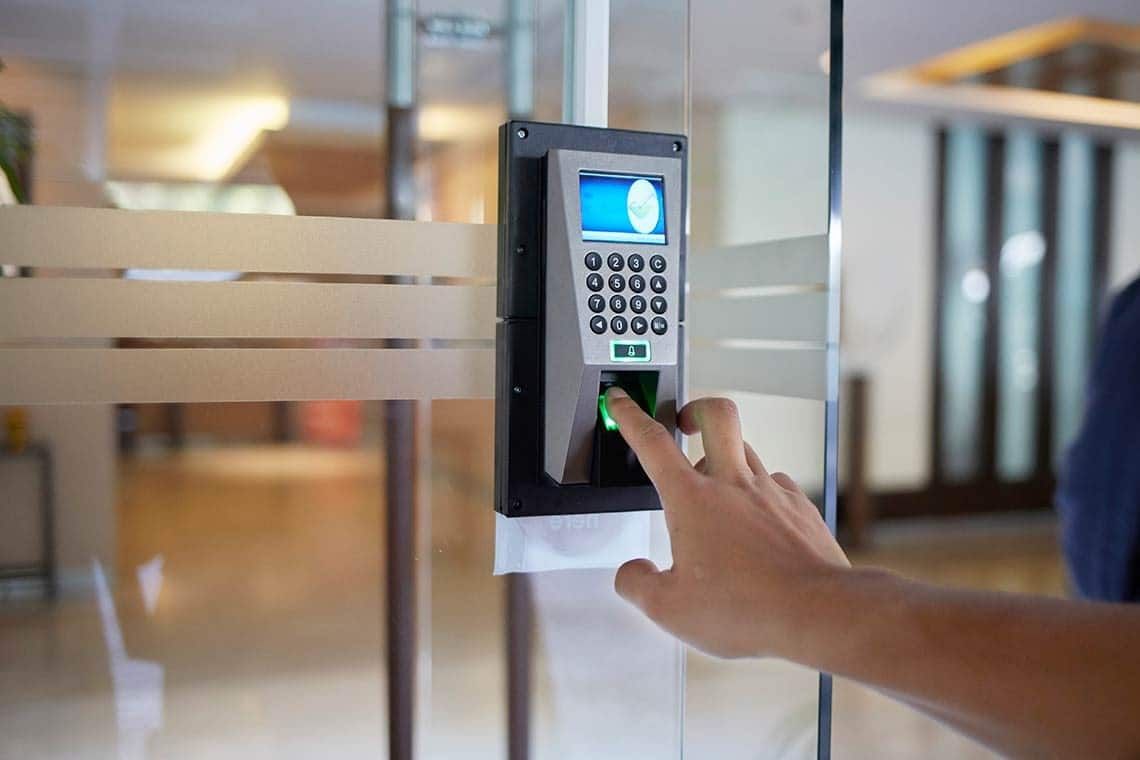
A finger print lock door uses biometric data to grant access. It scans a user’s fingerprint and matches it with stored data.
These locks are known for convenience and quick access. They are often used in homes, offices, and restricted areas where identity verification matters.
Key advantages include:
- No need to remember codes or carry cards
- Fast unlocking process
- Unique identification for each user
Card-Based Entry Systems
Card-based systems are widely used in offices, hotels, and apartments. These include:
- smart card door lock
- electronic card reader door lock
- key card door lock for home
Users simply tap or swipe a card to unlock the door. These cards can be easily issued or deactivated, making them practical for managing multiple users.
PIN and Mobile App Locks
Some systems rely on PIN codes or smartphone apps. These are common in electronic door entry systems where flexibility is important.
Users can:
- Set temporary codes for guests
- Unlock doors remotely
- Monitor access logs
These features make them suitable for both residential and business environments.
Wireless Access Control Systems
A wireless access control door lock connects to a central system without extensive wiring. This makes installation simpler and more flexible.
Such systems are often part of larger smart lock access control setups, especially in commercial buildings.
They allow:
- Centralized management of multiple doors
- Real-time updates
- Remote access control
Keyless Door Entry for Business vs Home
Smart locks serve both homes and businesses, but their requirements can differ.
Business Use Cases
Keyless door entry systems for business are designed for scalability and control. They often include:
- Multiple user roles and permissions
- Time-based access schedules
- Integration with security systems
For example, an office might use door to door smart card access to manage employee entry across multiple rooms.
These systems help maintain organized access while improving security.
Home Use Cases
In homes, simplicity and convenience are the main focus. A key card door lock for home or a fingerprint-based system can replace traditional keys entirely.
Home users benefit from:
- Easy access for family members
- Temporary access for visitors
- Integration with smart home devices
The goal is to make everyday entry smoother without compromising safety.
Comparing Common Smart Lock Features
Below is a simple comparison of different smart lock types and their typical features:
| Lock Type | Access Method | Best For | Key Benefit |
|---|---|---|---|
| Fingerprint Lock | Biometric | Homes, private offices | Fast and personal access |
| Smart Card Lock | Card-based | Offices, apartments | Easy user management |
| PIN Code Lock | Numeric keypad | Homes, rentals | Flexible access sharing |
| Mobile App Lock | Smartphone | Smart homes, tech users | Remote control and monitoring |
| Wireless Access Control Lock | Centralized system | Businesses, large spaces | Scalable and manageable |
This table helps highlight how each system serves a slightly different purpose.
How Smart Lock Access Control Works
Smart lock access control systems rely on a combination of hardware and software.
The lock itself acts as the physical barrier. The control system manages permissions and authentication.
Here’s a simplified flow:
- User attempts access (fingerprint, card, PIN, or app)
- System verifies credentials
- If approved, the door unlocks
- Entry is logged for tracking
In more advanced setups, administrators can adjust access rules in real time. This is especially useful in businesses where roles and schedules change frequently.
Choosing the Right System
Selecting the right system depends on your environment and needs. There’s no one-size-fits-all solution.
For Homes
Consider:
- Ease of use
- Number of users
- Integration with existing devices
A finger print lock door or a simple key card door lock for home is often enough for most households.
For Businesses
Focus on:
- Scalability
- Centralized control
- Security requirements
Keyless door entry for business typically involves a combination of card systems and wireless access control door lock setups.
Important Factors to Keep in Mind
When evaluating options, look at:
- Compatibility with other systems
- Reliability of authentication methods
- Ease of managing users
- Data privacy and security
These factors ensure the system remains practical over time.
Benefits of Electronic Door Entry Systems
Electronic door entry systems offer a range of advantages beyond just convenience.
Improved Security
Digital authentication reduces the risks associated with lost or duplicated keys. Access can be controlled more precisely.
Better Access Management
Adding or removing users is simple. This is especially useful in offices where employee access changes regularly.
Activity Tracking
Many systems log entry activity. This provides visibility into who accessed a space and when.
Flexibility
Whether it’s a smart card door lock or a mobile-based system, these solutions adapt to different environments.
Common Concerns and Misconceptions
Despite their benefits, some people hesitate to adopt smart locks.
Are They Reliable?
Modern systems are designed with backups such as manual keys or emergency power options. Reliability depends on proper installation and maintenance.
What About Privacy?
Data used in smart lock access control systems is typically encrypted. However, it’s important to choose systems that follow good security practices.
Do They Replace Traditional Locks Completely?
In many cases, yes. But some users prefer hybrid systems that combine traditional and digital methods for added peace of mind.
Practical Tips for Using Smart Locks
To get the most out of your system, keep these tips in mind:
- Regularly update access permissions
- Use strong and unique PIN codes
- Keep software and firmware updated
- Monitor access logs when available
- Have a backup access method in place
These simple practices help maintain both convenience and security.
Conclusion
Smart door locks and access control systems are transforming how we manage entry and security. From a simple finger print lock door to advanced wireless access control door lock systems, the options are diverse and adaptable.
For homes, they offer ease and flexibility. For businesses, they provide structured control and scalability. Whether using a smart card door lock or a full smart lock access control setup, the goal remains the same—making access safer and more efficient.
As technology continues to evolve, these systems will likely become even more integrated into daily life. Understanding how they work today helps you make informed decisions for tomorrow.