Home Emergency Preparedness Guide: Stay Ready Always
Emergencies can happen without warning. From natural disasters to unexpected outages, being prepared at home makes a big difference. A well-organized plan and the right supplies help you respond calmly and protect your family.
This guide walks you through practical steps for building a reliable home emergency survival kit, organizing your space, and creating strong family disaster plans. Everything is designed to be simple, clear, and easy to follow.
Understanding Home Emergency Preparedness
Home emergency preparedness is about planning ahead. It means having the right tools, supplies, and strategies in place before something goes wrong. Instead of reacting in panic, you act with confidence.
A solid approach includes three key elements:
- A complete home disaster kit
- A clear communication plan
- Basic safety knowledge for everyone in the household
Preparation doesn’t have to be overwhelming. Small steps taken today can create a strong safety net for tomorrow.
Why a Home Disaster Kit Matters
A home disaster kit is your first line of defense. It contains essential items you may need if services like electricity, water, or communication are disrupted.
Think of it as your backup system. It helps you stay safe and comfortable until normal conditions return.
Here’s a simple breakdown of what a basic emergency preparedness list might include:
| Category | Essential Items | Purpose |
|---|---|---|
| Water | Bottled water (3-day supply) | Hydration |
| Food | Non-perishable items | Nutrition |
| Lighting | Flashlights, candles | Visibility during outages |
| Communication | Battery-powered radio | Updates and alerts |
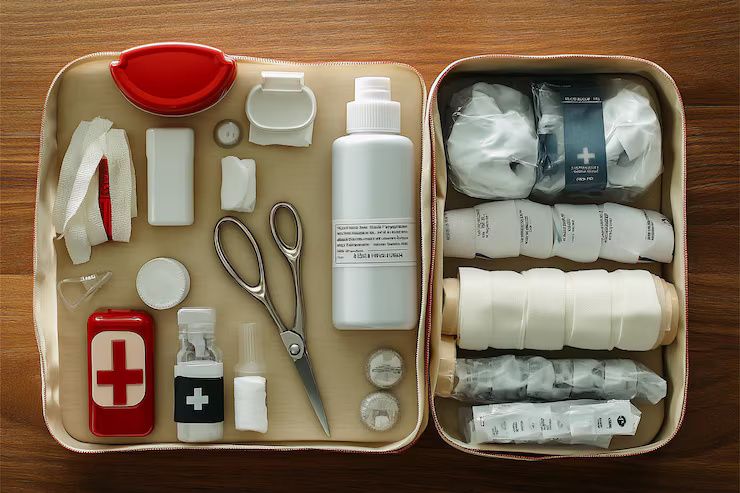
| First Aid | Basic medical supplies | Minor injuries |
| Documents | Copies of ID, insurance | Quick access to records |
| Tools | Multi-tool, whistle | Emergency use |
This table serves as a foundation. You can adjust it based on your household size and needs.
Building a Practical Survival Bag List
A survival bag list is slightly different from a full home kit. It focuses on portability. If you need to leave your home quickly, this bag should be ready to grab.
Keep it lightweight but complete. Store it in an accessible location.
Include items like:
- Water bottles and energy snacks
- A flashlight with extra batteries
- A small first aid kit
- Personal hygiene items
- A copy of important documents
- A fully charged power bank
- Basic clothing and a blanket
Review your bag every few months. Replace expired items and update supplies as needed.
Creating Effective Family Disaster Plans
Planning is just as important as supplies. Family disaster plans help everyone understand what to do in different situations.
Start by discussing possible scenarios. These could include power outages, floods, or fires. Then create simple action steps for each.
Your plan should cover:
- Emergency contact numbers
- Meeting points inside and outside the home
- Evacuation routes
- Roles for each family member
Make sure everyone understands the plan. Practice it occasionally so it becomes familiar.
Clear communication reduces confusion and helps everyone stay calm.
Organizing Your Home Survival List
Once you gather your supplies, organization becomes key. A well-arranged home survival list ensures you can find what you need quickly.
Avoid storing everything in one place. Instead, spread items across key areas of your home.
For example:
- Kitchen: food and water supplies
- Living area: communication tools
- Bedrooms: personal emergency items
Label containers clearly. Use waterproof boxes where possible. This protects your supplies from damage.
Keep a printed emergency preparedness list inside each storage area. It acts as a quick reference during stressful moments.
Adapting Your Kit for Family Needs
Every household is different. Your family disaster kit should reflect your specific needs.
Consider factors like:
- Children or infants
- Elderly family members
- Pets
- Medical conditions
For example, families with children may need extra snacks, toys, or comfort items. Pet owners should include food, water, and basic supplies for animals.
This customization ensures your home emergency survival kit is truly useful in real situations.
Maintaining Your Emergency Supplies
Preparedness is not a one-time task. Regular maintenance keeps your supplies effective.
Set a reminder every 3 to 6 months to:
- Check expiration dates on food and water
- Test batteries and replace if needed
- Update documents and contact details
- Review your survival essentials list
Keeping everything updated ensures your kit works when you need it most.
Smart Tips for Home Emergency Preparedness
Preparedness doesn’t have to be complicated. A few smart habits can improve your readiness significantly.
Stay informed about local risks. Knowing what types of emergencies are more likely helps you prepare better.
Keep your mobile devices charged. Backup power sources can be extremely helpful during outages.
Store emergency numbers both digitally and on paper. Technology can fail, but a written list remains accessible.
Another useful tip is to involve the entire family. When everyone participates, the plan becomes stronger and more effective.
Simple Habits That Make a Big Difference
Small daily habits can support your preparedness efforts:
- Keep flashlights in fixed, easy-to-find locations
- Avoid clutter around emergency supplies
- Practice switching off utilities safely
- Keep exits clear and accessible
These habits may seem simple, but they can save valuable time during emergencies.
Common Mistakes to Avoid
Even with good intentions, some common mistakes can reduce effectiveness.
Avoid:
- Overloading your survival bag with unnecessary items
- Forgetting to update supplies regularly
- Keeping all emergency items in one hard-to-reach place
- Not communicating plans clearly with family members
Awareness of these mistakes helps you build a more reliable system.
Conclusion
Home emergency preparedness is about readiness, not fear. With a clear plan and the right supplies, you can handle unexpected situations more confidently.
Start with a simple home survival list. Build your home disaster kit step by step. Create strong family emergency plans and keep them updated.
Preparedness is a continuous process. Regular checks, small improvements, and family involvement make all the difference.
Taking action today ensures you and your loved ones are better protected tomorrow.