Electrical System Maintenance at Home: Essential Guide
Keeping your home’s electrical system in good condition is more important than most people realize. It supports everything from lighting and appliances to safety and comfort. With a few simple habits and a basic understanding, you can maintain your system efficiently and reduce potential risks.
This guide walks you through practical insights, easy checks, and helpful habits to keep your electrical system running smoothly.
Understanding Electrical System Maintenance
Electrical system maintenance refers to the regular inspection, care, and upkeep of wiring, outlets, switches, and connected devices in your home. It helps ensure everything functions safely and efficiently.
Most issues in home electrical systems start small. A loose wire, an overloaded socket, or a worn-out switch may not seem urgent. However, over time, these minor problems can grow into serious hazards.
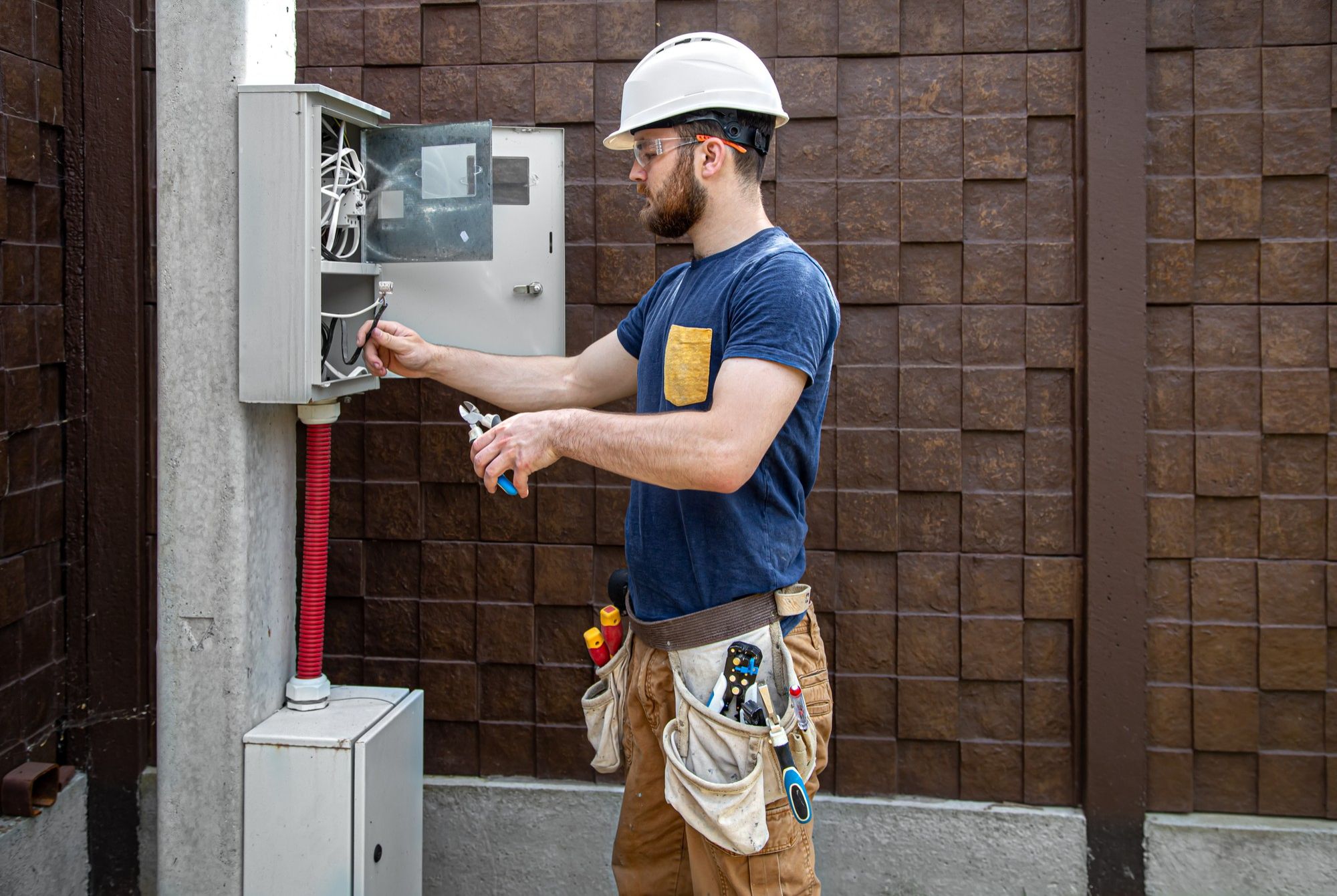
Regular maintenance helps you:
- Improve electrical safety
- Prevent unexpected outages
- Extend the life of appliances
- Maintain energy efficiency
It’s not about being an expert. It’s about being observant and proactive.
Common Components You Should Know
Understanding a few key components can make maintenance easier:
| Component | Purpose | Signs of Issue |
|---|---|---|
| Circuit Breaker | Controls electrical flow and safety | Frequent tripping |
| Wiring | Carries electricity throughout the home | Burning smell, flickering lights |
| Switches | Controls power to devices | Sparking or loose movement |
| Outlets | Connect appliances to power | Warm surface or discoloration |
| Electrical Panel | Distributes electricity to circuits | Buzzing sound or heat buildup |
Knowing these basics helps you spot early warning signs.
Key Areas to Focus On
Electrical maintenance does not require complex tools. It starts with simple observations and regular checks.
Inspect Wiring and Connections
Wiring is the backbone of your electrical system. Damaged or aging wires can create serious safety concerns.
Look out for:
- Frayed or exposed wires
- Unusual smells near outlets
- Flickering or dim lights
- Rodent damage in hidden areas
If you notice any of these signs, it’s best to avoid using that area until it’s checked further.
Also, ensure wires are not overloaded. Too many devices connected to one outlet can strain the system.
Check Switches and Power Outlets
Switches and outlets are used daily, which makes them prone to wear and tear.
Pay attention to:
- Loose switches that feel unstable
- Outlets that don’t hold plugs properly
- Black or brown marks around sockets
- Warm or vibrating switch plates
These signs often indicate internal issues. Ignoring them may lead to larger problems.
A simple habit is to test switches and outlets every few months. Turn them on and off, plug in devices, and observe their behavior.
Monitor Circuit Breaker Performance
Your circuit breaker protects your home by cutting power when there is an overload or fault.
If your breaker trips occasionally, it may not be a concern. But frequent tripping suggests something is wrong.
Possible reasons include:
- Overloaded circuits
- Faulty appliances
- Wiring issues
Try to identify patterns. For example, does it trip when multiple appliances are used together? This can help you understand the cause.
Keep the electrical panel clean and accessible. Avoid storing items around it.
Preventive Maintenance Tips
Prevention is always easier than dealing with repairs. Small habits can make a big difference in maintaining your electrical system.
Use Appliances Wisely
Appliances draw different amounts of power. Using them without considering their load can strain your system.
Here are some practical tips:
- Avoid plugging multiple high-power devices into one outlet
- Use extension cords only when necessary
- Unplug devices when not in use
- Spread power usage across different outlets
This reduces pressure on your circuits and improves overall efficiency.
Keep Electrical Areas Clean
Dust and moisture can affect electrical components over time.
Maintain cleanliness by:
- Wiping switchboards regularly
- Keeping outlets dry
- Avoiding water exposure near electrical points
- Ensuring proper ventilation around electrical panels
Clean surroundings reduce the risk of short circuits and corrosion.
Upgrade Old Components
Older homes may have outdated wiring or components that are no longer efficient.
Consider updating:
- Old switches and outlets
- Aging wiring systems
- Outdated circuit breakers
Modern components are designed with improved safety features. Even small upgrades can enhance performance.
Install Safety Devices
Safety devices act as an additional layer of protection.
Common options include:
- Surge protectors to handle voltage spikes
- Residual current devices (RCDs) for shock prevention
- Proper earthing systems
These devices help reduce risks and improve system stability.
Common Mistakes to Avoid
Many electrical problems arise from simple mistakes. Avoiding them can save time and prevent unnecessary risks.
Overloading Circuits
Plugging too many devices into a single outlet is one of the most common issues.
This can lead to:
- Overheating
- Breaker trips
- Reduced appliance life
Always distribute your electrical load evenly.
Ignoring Warning Signs
Small issues often give early warnings. Ignoring them can lead to bigger problems later.
Never overlook:
- Burning smells
- Buzzing sounds
- Flickering lights
- Warm outlets
Addressing these early can prevent serious complications.
Using Damaged Equipment
Using damaged cords, plugs, or devices can be dangerous.
Replace items that show:
- Cracks or exposed wires
- Loose connections
- Burn marks
Even minor damage can create safety risks.
DIY Without Understanding
While basic checks are helpful, avoid making complex changes without proper knowledge.
Electrical systems require careful handling. Incorrect actions can worsen the situation.
Stick to observation and simple maintenance unless you have proper expertise.
Seasonal Electrical Maintenance Checklist
Different seasons can affect your electrical system in various ways. A simple checklist helps you stay prepared.
| Season | Maintenance Focus |
|---|---|
| Summer | Check cooling appliances and load balance |
| Monsoon | Protect outlets from moisture and leaks |
| Winter | Inspect heating devices and wiring safety |
| All Year | Test switches, outlets, and breakers regularly |
Following a seasonal routine keeps your system stable throughout the year.
Signs Your Electrical System Needs Attention
Sometimes, your system will show clear signs that something is not right.
Be alert if you notice:
- Frequent power fluctuations
- Lights dimming unexpectedly
- Appliances not working efficiently
- Unusual sounds from the panel
- Mild shocks when touching switches
These signs should not be ignored. They indicate underlying issues that need attention.
Simple Daily Habits That Help
Maintenance does not always require effort. Small daily habits can go a long way.
- Turn off appliances when not in use
- Avoid pulling cords forcefully
- Keep children away from exposed outlets
- Use proper plugs for each device
- Stay mindful of unusual changes
These habits build a safer and more reliable electrical environment.
Conclusion
Electrical system maintenance at home is all about awareness and consistency. You don’t need advanced skills to keep things in check. Regular observation, simple habits, and timely attention can prevent many common issues.
Focus on keeping your wiring, outlets, and appliances in good condition. Pay attention to warning signs and avoid overloading your system. Small actions today can help maintain safety and efficiency over time.
A well-maintained electrical system not only supports daily convenience but also contributes to a safer living space.