DIY Home Theater Setup Guide for Modern Living
Creating a diy home theater is one of the most satisfying home projects you can take on. It turns everyday movie nights into something immersive and personal. The best part is that you can design everything around your space, your style, and how you like to watch movies.
This guide walks you through the essentials of planning, designing, and building a comfortable and enjoyable setup. Whether you’re working with a small room or a larger space, you can still build home theater experiences that feel special.
Understanding the Basics of a DIY Home Theater
A diy home movie theater is not just about a big screen and loud speakers. It’s about creating an environment that feels engaging and comfortable. Lighting, sound, seating, and layout all work together to shape the experience.
At its core, a diy home cinema setup includes three main elements:
- Display (TV or projector)
- Audio system (speakers or soundbar)
- Seating and room setup
You don’t need a perfect room to start. Even a spare bedroom or a section of your living room can be transformed into a diy home entertainment space with thoughtful planning.
Choosing the Right Space
Before you build a home movie theater, decide where it will live. The space you choose influences everything else.
Look for a room that:
- Has minimal natural light
- Can be darkened easily
- Has enough wall space for a screen
- Allows flexible seating placement
A dedicated room works best, but shared spaces can still become a functional diy movie theater with a few adjustments like curtains or movable panels.
Display Options: TV vs Projector
The display is the centerpiece of any diy theater setup. You have two primary options, and each has its strengths.
TV Setup
- Simple installation
- Bright and sharp picture
- Works well in rooms with some light
Projector Setup
- Larger screen experience
- Feels closer to a cinema
- Needs controlled lighting
If you’re planning a homemade movie theater with a projector, you’ll also need a homemade cinema screen or a dedicated projection surface.
Sound Setup Essentials
Sound plays a huge role in immersion. Even a great screen won’t feel cinematic without good audio.
You can choose between:
- Soundbars for simplicity
- 2.1 or 5.1 speaker systems for fuller sound
- Surround sound setups for deeper immersion
Placement matters more than expensive equipment. Position speakers at ear level and distribute them evenly for balanced sound.
Building Your DIY Home Theater Step by Step
Once you understand the basics, it’s time to build home theater components that fit your needs. Take it one step at a time instead of trying to do everything at once.
Creating a Homemade Cinema Screen
A homemade cinema screen can be surprisingly effective and easy to build. It’s a great option for projector setups.
You can use:
- White blackout cloth
- Smooth painted wall
- Foam board panels
Stretch the material tightly over a frame or mount it flat on a wall. A matte white surface works best to avoid glare.
If you want a cleaner look, add a black border around the screen. This improves perceived contrast and gives your diy home cinema a polished finish.
Seating and Comfort
Comfort is often overlooked in a diy home theater, but it makes a big difference during long movie sessions.
Think about:
- Distance from the screen
- Viewing angles
- Cushion support
You don’t need specialized seats. Sofas, recliners, or even floor seating with cushions can work well. Arrange seating so everyone has a clear view.
Lighting Control
Lighting sets the mood for your diy movie theater. Too much light reduces picture quality, especially with projectors.
Simple solutions include:
- Blackout curtains
- Dimmable lights
- Soft LED strips behind screens or shelves
Indirect lighting helps reduce eye strain while keeping the room cozy.
Cable Management and Layout
Messy cables can ruin the clean look of your homemade movie theater. Plan your layout carefully.
Helpful tips:
- Use cable clips or sleeves
- Route wires along walls or behind furniture
- Label connections for easy troubleshooting
A neat setup not only looks better but also makes maintenance easier.
Key Components Overview
Below is a quick comparison of essential elements in a diy home entertainment setup:
| Component | Basic Option | Advanced Option | Notes |
|---|---|---|---|
| Display | LED TV | Projector + Screen | Choose based on room lighting |
| Audio | Soundbar | Surround sound system | Placement matters more than size |
| Seating | Sofa or chairs | Recliners or tiered seating | Comfort is key for long sessions |
| Lighting | Standard room lights | Dimmable or ambient lights | Helps create cinematic mood |
| Screen | Painted wall | Homemade cinema screen | Smooth surface improves visuals |
This table gives a simple framework to help you build home theater setups step by step.
Enhancing the DIY Home Cinema Experience
Once the basics are in place, you can start refining your diy home cinema. Small upgrades can significantly improve the overall experience.
Acoustic Improvements
Sound can bounce off walls and create echoes. You can reduce this with simple changes.
Try:
- Adding rugs or carpets
- Using curtains or wall panels
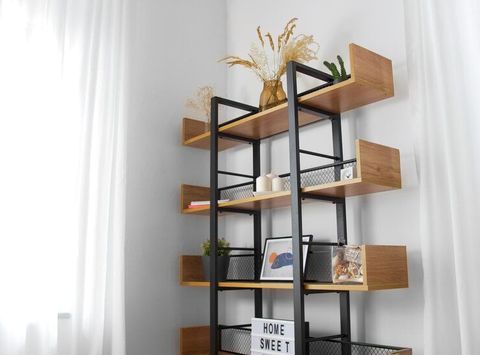
- Placing bookshelves or soft furniture
These elements absorb sound and make audio clearer without needing technical adjustments.
Room Layout Optimization
The way your room is arranged affects both sound and visuals.
Keep these points in mind:
- Center the screen at eye level
- Avoid placing speakers too close to walls
- Maintain equal spacing between seating and screen
Even minor adjustments can improve how your diy theater feels.
Personal Touches
A diy home movie theater should reflect your style. Adding personal elements makes the space more inviting.
Ideas include:
- Movie posters or framed prints
- Themed decor based on favorite films
- Shelves for media or collectibles
These details turn a simple setup into a space you enjoy spending time in.
Tips for a Successful DIY Theater Setup
Building a diy home entertainment system doesn’t have to be complicated. Focus on practical decisions and gradual improvements.
Here are some useful tips:
- Start simple and upgrade over time
- Test your setup before finalizing placements
- Keep ventilation in mind for electronics
- Avoid overcrowding the space
- Prioritize comfort over complexity
Consistency matters more than perfection. A balanced setup often delivers a better experience than one overloaded with features.
Common Mistakes to Avoid
While working on a diy movie theater, it’s easy to overlook small details that impact the overall experience.
Watch out for:
- Placing the screen too high or too low
- Ignoring room lighting conditions
- Overcomplicating the audio setup
- Skipping cable organization
- Using reflective surfaces for projection
Avoiding these mistakes helps you create a smoother and more enjoyable setup.
Conclusion
A diy home theater project is about more than just equipment. It’s about creating a space where you can relax, enjoy stories, and share moments with others.
By focusing on layout, comfort, and simple upgrades, you can build home theater environments that feel immersive without being overwhelming. Whether you’re working on a homemade cinema screen or refining your audio setup, each step adds value to the overall experience.
Take your time, experiment with different ideas, and adjust as needed. A well-planned diy home cinema evolves naturally and becomes a space you’ll enjoy for years.