Discover Decorative Elements for Bathroom Styling
Bathrooms are no longer just functional spaces. Today, they reflect personal style, comfort, and creativity. With the right bathroom design elements, even a small space can feel inviting and thoughtfully designed. From greenery to wall art and carefully chosen accessories, decorative elements for bathroom styling can transform the entire atmosphere without major renovations.
This guide walks you through simple yet impactful ways to enhance your bathroom using decorative touches that feel natural, balanced, and visually pleasing.
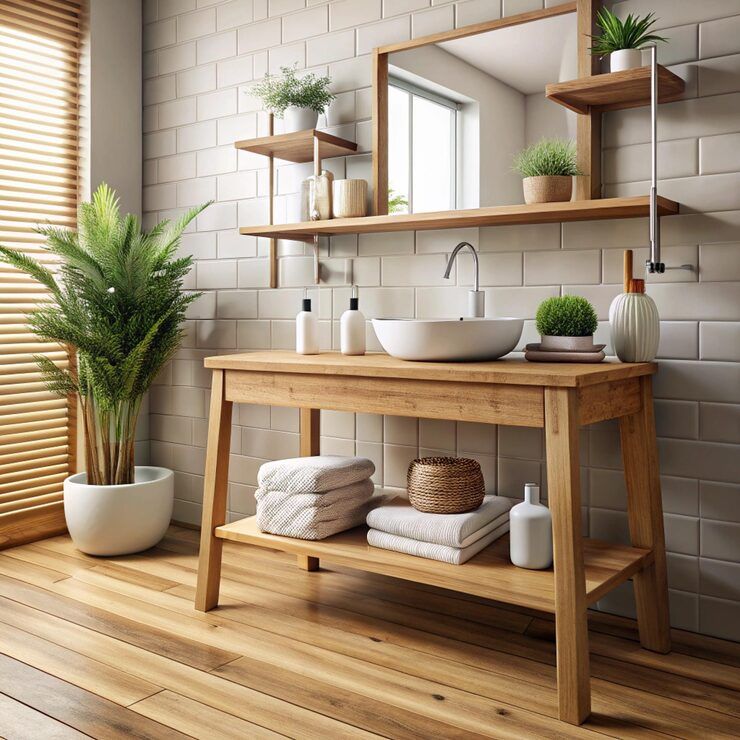
Understanding Bathroom Design Elements
When designing a bathroom, it helps to think beyond tiles and fixtures. Decorative elements for bathroom styling add personality and warmth. They also help tie together colors, textures, and lighting.
A well-designed bathroom usually combines:
- Visual appeal (colors, shapes, textures)
- Practical placement (space-saving and clutter-free)
- Mood enhancement (calm, refreshing, or luxurious feel)
Small additions can make a big difference. Even a single plant or framed artwork can shift the overall vibe.
Why Decorative Elements Matter
Decorative items are not just for aesthetics. They influence how a space feels and functions.
- They soften hard surfaces like tiles and glass
- They introduce contrast and depth
- They create a cohesive theme
- They reflect personal taste
When used thoughtfully, bathroom design elements bring harmony without overwhelming the space.
Plants: Bringing Life Into the Bathroom
Adding plants is one of the easiest ways to elevate your bathroom. They introduce freshness and a natural touch that instantly makes the space feel alive.
Choosing the Right Plants
Bathrooms often have humidity and limited sunlight. So, it’s important to pick plants that thrive in such conditions.
Here are some great options:
- Snake plant: Tolerates low light and humidity
- Pothos: Easy to maintain and grows well indoors
- Ferns: Love moisture and add a soft texture
- Aloe vera: Compact and functional
These plants work well as decorative elements for bathroom spaces because they require minimal care.
Placement Ideas for Plants
Where you place plants matters just as much as the type you choose.
- On floating shelves for a layered look
- Near windows to maximize natural light
- Hanging planters for small bathrooms
- On countertops for a simple accent
Keep the arrangement balanced. Too many plants can make the space feel crowded.
Art: Adding Personality and Visual Interest
Art in the bathroom might seem unusual, but it’s a growing trend. It adds personality and turns a basic space into something memorable.
Types of Bathroom-Friendly Art
Since bathrooms have moisture, it’s best to choose durable materials.
- Framed prints with moisture-resistant covers
- Canvas artwork
- Minimalist line drawings
- Typography or quote art
Art doesn’t have to be bold. Subtle designs often work better in smaller spaces.
How to Style Bathroom Art
The key is to keep it simple and intentional.
- Hang artwork at eye level for better visibility
- Use small gallery walls for a creative touch
- Match frames with bathroom finishes (metal, wood, etc.)
- Avoid overcrowding walls
Art works best when it complements existing bathroom design elements instead of competing with them.
Accessories: Small Details That Make a Big Impact
Accessories are the finishing touches that bring everything together. They add both function and style.
Essential Bathroom Accessories
Here’s a quick overview of common decorative accessories and their role:
| Accessory Type | Purpose | Styling Tip |
|---|---|---|
| Soap dispensers | Functional and decorative | Choose matching materials |
| Towels | Everyday use | Use coordinated colors |
| Storage baskets | Organization | Opt for natural textures like wicker |
| Mirrors | Enhance light and space | Experiment with unique shapes |
| Candles | Create ambiance | Use subtle scents |
These decorative elements for bathroom styling should feel cohesive, not random.
Coordinating Colors and Materials
Consistency is key when choosing accessories.
- Stick to a color palette (2–3 main tones)
- Mix materials carefully (wood, metal, ceramic)
- Avoid too many contrasting styles
For example, a modern bathroom may benefit from matte black accessories, while a rustic style pairs well with wood and woven textures.
Balancing Style and Function
It’s easy to get carried away with decoration. But a bathroom still needs to remain practical.
Keep It Clutter-Free
Too many items can make the space feel cramped.
- Use trays to group small items
- Store unused products out of sight
- Choose multi-purpose accessories
A clean layout helps decorative elements stand out more effectively.
Focus on Proportion and Scale
Size matters when choosing decor.
- Large mirrors can make small bathrooms feel bigger
- Small accessories work best in compact spaces
- Avoid oversized artwork in tight areas
Balance ensures the design feels intentional rather than overwhelming.
Lighting and Decor Connection
Lighting plays a big role in how decorative elements appear.
- Warm lighting enhances natural textures
- Bright lighting highlights details
- Accent lighting can draw attention to art or plants
Consider how light interacts with your bathroom design elements before finalizing placement.
Creating a Cohesive Bathroom Style
A well-styled bathroom feels unified. Every element should connect with the overall theme.
Popular Styling Themes
Here are a few ideas to inspire your design:
- Minimalist: Clean lines, neutral tones, simple decor
- Nature-inspired: Plants, wood textures, earthy colors
- Modern: Sleek finishes, geometric shapes, bold accents
- Vintage: Classic fixtures, ornate mirrors, soft colors
Choose a theme that aligns with your taste and stick to it throughout.
Mixing Decorative Elements Thoughtfully
Combining plants, art, and accessories requires balance.
- Use plants to soften the space
- Add art for personality
- Finish with accessories for detail
Each element should complement the others rather than compete.
Conclusion
Decorating a bathroom doesn’t require a complete overhaul. With thoughtful choices, simple additions can completely transform the space. Plants bring freshness, art adds personality, and accessories tie everything together.
The key to using decorative elements for bathroom styling is balance. Focus on simplicity, coordination, and functionality. When done right, even the smallest bathroom can feel stylish, welcoming, and uniquely yours.
Start with one or two changes and build from there. Over time, these small updates can create a space that feels both practical and visually satisfying.