Smart Intercom and Video Doorbell Systems Guide
Smart home technology has come a long way, and one of the most practical upgrades is a smart intercom doorbell. These systems combine convenience, safety, and modern connectivity into a simple device at your front door. Whether you're at home or away, you can see, hear, and speak to visitors in real time.
From wireless door intercom setups to advanced two way video intercom solutions, these devices are becoming a standard feature in modern homes. This guide walks you through how they work, what features matter, and how to choose the right system.
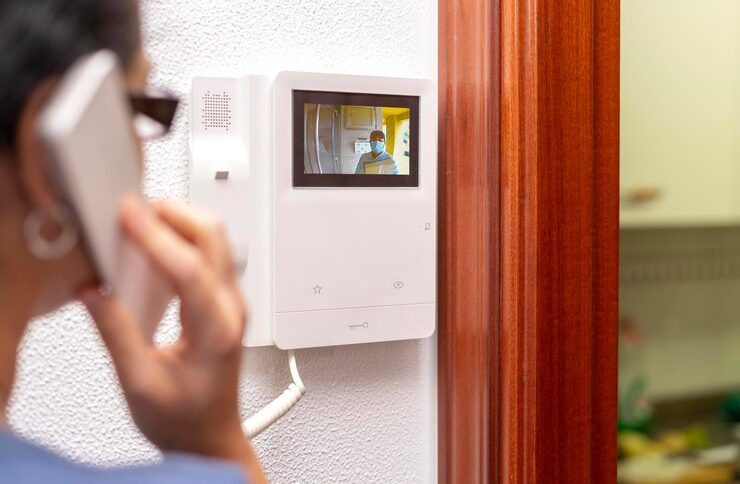
Understanding Smart Intercom and Video Doorbells
A smart door intercom is a device that allows communication between the person outside your door and you inside your home using audio or video. When paired with internet connectivity, it becomes even more powerful.
A smart video door phone typically includes a camera, microphone, speaker, and app integration. When someone presses the doorbell or approaches the door, you receive a notification on your smartphone.
Here’s what makes these systems useful:
- Real-time communication from anywhere
- Video monitoring of your entrance
- Motion detection alerts
- Remote access through mobile apps
A wireless video door intercom removes the need for complex wiring. This makes installation easier and more flexible for different types of homes.
How These Systems Work
At the core, a smart doorbell intercom connects your front door device to your smartphone or indoor monitor. When someone interacts with the device, it triggers a notification.
You can then:
- View live video feed
- Speak through a built-in speaker
- Record footage for later review
Many systems also integrate with smart home ecosystems, allowing voice control and automation.
Key Components
A typical wireless front door intercom system includes:
- Outdoor unit with camera and microphone
- Indoor display or mobile app
- Internet connectivity (Wi-Fi or similar)
- Optional cloud or local storage
These components work together to create a seamless communication channel.
Types of Smart Intercom Systems
There are several types of smart intercom doorbell systems available today. Each serves slightly different needs depending on the setup and preferences.
Audio-Only Intercom Systems
These are basic systems that allow voice communication without video. A wireless door intercom of this type is simple and effective for indoor communication or small spaces.
Best for:
- Apartments
- Office spaces
- Users who prefer simplicity
Video Intercom Systems
A two way video intercom adds a visual layer. You can see who is at your door before responding.
This type is ideal for:
- Residential homes
- Gated properties
- Enhanced entry monitoring
Fully Smart Intercom Systems
A smart video door phone goes beyond basic communication. It includes app connectivity, motion alerts, and integration with other smart devices.
These systems often support:
- Cloud video storage
- AI-based motion detection
- Night vision capabilities
Features to Look For in a Smart Door Intercom
Choosing the right system depends on the features that matter most to your daily routine. Not all devices offer the same capabilities, so understanding the key features helps narrow down your options.
Video Quality and Night Vision
Clear video is essential. Look for systems that offer high-definition resolution and reliable night vision.
This ensures visibility even in low-light conditions.
Two-Way Audio
A two way video intercom should provide clear, lag-free audio. This allows natural conversation with visitors.
Noise reduction features can improve clarity.
Connectivity and App Support
Most smart intercom doorbell devices rely on mobile apps. A well-designed app makes a big difference in usability.
Check for:
- Instant notifications
- Easy navigation
- Stable connection
Motion Detection and Alerts
Advanced systems can detect movement near your door. This adds an extra layer of awareness.
You receive alerts even if the doorbell isn’t pressed.
Storage Options
Footage can be stored either locally or in the cloud. Each has its advantages.
- Local storage offers more control
- Cloud storage allows remote access
Comparison of Smart Intercom System Types
Below is a simple comparison to help you understand the differences between common options:
| Feature | Audio Intercom | Video Intercom | Smart Video Door Phone |
|---|---|---|---|
| Communication Type | Audio only | Audio + Video | Audio + Video |
| Remote Access | Limited | Moderate | Full mobile access |
| Installation | Easy | Moderate | Easy (wireless options) |
| Motion Detection | No | Basic | Advanced |
| Smart Integration | No | Limited | Yes |
| Storage Options | None | Limited | Local + Cloud |
This table helps clarify how each type fits different use cases.
Benefits of Using a Wireless Door Intercom System
A wireless door intercom system offers flexibility and ease of use. It removes the need for complicated wiring, making it suitable for both new and existing homes.
Easy Installation
Most systems can be set up without professional assistance. This saves time and reduces complexity.
Remote Access
You can monitor your front door from anywhere. Whether you're at work or traveling, you stay connected.
Improved Awareness
With video and motion alerts, you always know what’s happening at your entrance.
Flexible Placement
Wireless systems allow you to position devices where they work best, without being limited by wiring.
Tips for Choosing the Right System
Selecting the right smart intercom doorbell requires a bit of planning. Here are some practical tips to guide your decision.
Understand Your Needs
Start by identifying what you want:
- Do you need video or just audio?
- Will you use mobile access frequently?
- Do you want integration with other smart devices?
Check Compatibility
Ensure the system works with your existing devices. Compatibility with smartphones and smart home platforms is important.
Consider Connectivity Strength
A stable Wi-Fi connection is essential. Weak signals can affect performance.
Look at User Experience
A simple interface makes daily use easier. Complicated apps can reduce the overall usefulness of the system.
Evaluate Security Features
Basic security measures like encryption and secure access help protect your data.
Common Questions About Smart Intercom Systems
Are wireless systems reliable?
Yes, modern wireless video door intercom systems are designed to be stable and efficient. Performance depends on network quality and device placement.
Can multiple users access the system?
Many smart doorbell intercom devices allow multiple users to connect through the app. This is useful for families.
Do these systems require constant internet?
Most smart features rely on internet connectivity. However, some basic functions may still work locally.
Is maintenance required?
Maintenance is minimal. Regular updates and occasional cleaning of the camera lens are usually enough.
Conclusion
Smart intercom and video doorbell systems bring a new level of convenience to everyday life. With features like remote access, real-time communication, and motion detection, they help you stay connected to your home at all times.
Whether you choose a simple wireless front door intercom or a fully featured smart video door phone, the key is to match the system to your needs. Focus on usability, reliability, and essential features.
As smart home technology continues to evolve, these systems are becoming more intuitive and accessible. Taking the time to understand your options ensures you make a choice that fits seamlessly into your lifestyle.