Smart Air Quality Monitoring Systems: A Helpful Guide
Indoor air often goes unnoticed, yet it plays a major role in everyday comfort and well-being. From dust and humidity to invisible pollutants, many factors influence the air inside homes and offices. Smart air quality monitoring systems help track these elements in real time and make it easier to maintain a healthier environment.
With the rise of connected devices, solutions like a smart air quality sensor or a zigbee air quality sensor are becoming common in modern homes. These tools offer insights that were once difficult to access, all through simple apps and automation.
Understanding Smart Air Quality Monitoring Systems
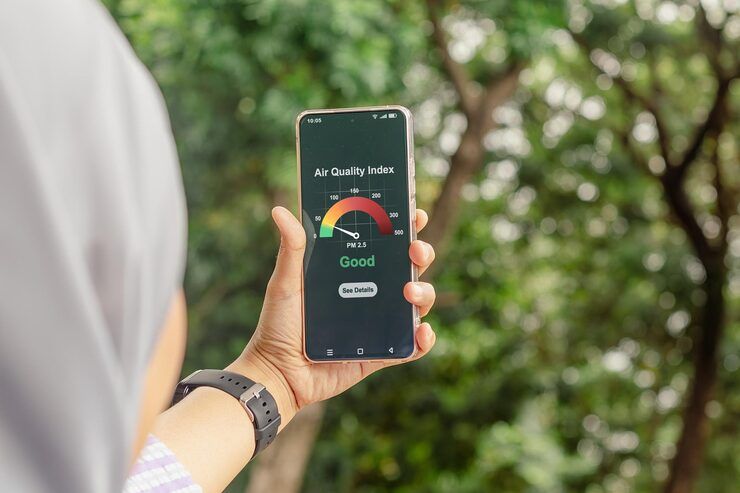
Smart air quality monitoring systems are devices designed to measure and report indoor air conditions. They track elements such as temperature, humidity, carbon dioxide, and airborne particles. Unlike traditional monitors, these systems connect to apps or smart home platforms.
A smart home air quality sensor can send alerts when air conditions change. This allows users to respond quickly, whether by opening windows, adjusting ventilation, or using air purifiers.
These systems are often integrated into broader smart home ecosystems. For example, a tuya air quality sensor can connect with other devices to trigger automatic responses, such as turning on a fan or adjusting an HVAC system.
Key Features of Smart Air Quality Systems
Smart air quality devices come with several useful features that make them practical and easy to use:
- Real-time monitoring through mobile apps
- Historical data tracking for patterns and trends
- Alerts and notifications for poor air conditions
- Integration with smart home systems
- Compact and modern designs suitable for any room
These features make air quality sensor smart home setups more accessible for everyday users.
Types of Sensors Used in Smart Systems
Different sensors are used to measure various aspects of air quality. Each plays a specific role:
| Sensor Type | What It Measures | Why It Matters |
|---|---|---|
| PM2.5 Sensor | Fine particulate matter | Helps detect dust and smoke levels |
| CO2 Sensor | Carbon dioxide concentration | Indicates ventilation effectiveness |
| VOC Sensor | Volatile organic compounds | Detects chemical pollutants |
| Humidity Sensor | Moisture in the air | Prevents mold and dryness |
| Temperature Sensor | Ambient temperature | Maintains comfort and balance |
By combining these sensors, a smart air quality sensor provides a complete overview of indoor air conditions.
How Smart Air Quality Sensors Work
Smart air quality sensors continuously collect data from the environment. This data is processed and displayed through connected apps or dashboards. Many systems use wireless communication protocols like Zigbee or Wi-Fi.
A zigbee air quality sensor is particularly useful in smart homes because it consumes less power and maintains stable connections across devices. It works well in setups where multiple sensors are used throughout the home.
These sensors often sync with smart assistants or automation systems. For instance, if air quality drops, the system can automatically activate ventilation or send a notification.
Connectivity and Integration
Connectivity is what makes these devices “smart.” Most sensors support:
- Wi-Fi for direct app access
- Zigbee for low-power smart home integration
- Bluetooth for short-range communication
A tuya air quality sensor, for example, integrates with widely used smart home apps, allowing centralized control of multiple devices.
This level of connectivity ensures that users can monitor air quality anytime, even when they are away from home.
Data Insights and Monitoring
One of the biggest advantages of smart systems is data visibility. Instead of guessing air conditions, users can view:
- Daily and weekly trends
- Peak pollution times
- Changes in humidity or temperature
This helps in identifying patterns, such as poor air quality during certain hours or activities like cooking.
A smart home air quality sensor turns raw data into actionable insights, making it easier to maintain a comfortable indoor space.
Benefits of Using Smart Air Quality Monitoring Systems
Smart air quality monitoring systems offer several advantages for modern living. They provide awareness, convenience, and better control over indoor environments.
Improved Awareness
Many indoor pollutants are invisible. Without proper tools, it is difficult to detect them. A smart air quality sensor helps users stay informed about what’s happening in their environment.
This awareness encourages better habits, such as improving ventilation or reducing sources of pollution.
Enhanced Comfort
Maintaining the right balance of temperature and humidity improves comfort. Smart sensors help monitor these factors and ensure a stable indoor environment.
For example, a sudden drop in humidity can be detected quickly, allowing timely adjustments.
Smart Automation
Integration with smart home systems allows automation based on air quality data. For example:
- Turning on air purifiers when pollution rises
- Activating exhaust fans during high humidity
- Adjusting thermostats based on temperature changes
An air quality sensor smart home setup makes these actions seamless and automatic.
Energy Efficiency
Smart systems can also support energy efficiency by optimizing ventilation and heating. Instead of running systems continuously, they operate only when needed.
This targeted approach reduces unnecessary energy usage while maintaining comfort.
Choosing the Right Smart Air Quality Sensor
Selecting the right device depends on several factors. Not all sensors offer the same features or compatibility.
Consider Sensor Capabilities
Look for devices that measure multiple parameters, such as:
- Particulate matter (PM2.5)
- CO2 levels
- Humidity and temperature
A more comprehensive sensor provides a clearer picture of indoor air quality.
Check Compatibility
If you already use smart home devices, choose a sensor that integrates easily. A zigbee air quality sensor works well with Zigbee hubs, while others may rely on Wi-Fi.
A tuya air quality sensor is often preferred for users who want centralized control through a single app.
Ease of Use
User-friendly apps and simple installation are important. Most modern sensors are designed for easy setup without technical expertise.
Look for features like:
- Clear dashboards
- Simple alerts
- Easy device pairing
Placement Matters
Where you place the sensor affects accuracy. For best results:
- Avoid placing near windows or vents
- Keep it at breathing height
- Place in frequently used rooms
Proper placement ensures reliable readings and better insights.
Tips for Maintaining Good Indoor Air Quality
While smart sensors provide data, maintaining good air quality also depends on daily habits. Here are some practical tips:
Improve Ventilation
Fresh air circulation helps reduce indoor pollutants. Open windows when possible or use ventilation systems to maintain airflow.
Reduce Pollution Sources
Common indoor pollution sources include:
- Smoke from cooking
- Chemical cleaners
- Dust accumulation
Minimizing these sources can significantly improve air quality.
Use Plants Thoughtfully
Certain indoor plants may help improve air freshness. While they are not a complete solution, they can complement other efforts.
Regular Cleaning
Dust and allergens build up over time. Regular cleaning helps maintain a healthier environment.
Monitor Consistently
Using a smart home air quality sensor ensures ongoing monitoring. This helps detect changes early and maintain consistent air quality.
Conclusion
Smart air quality monitoring systems bring clarity and control to indoor environments. They provide real-time insights, help identify hidden issues, and support better daily decisions.
Whether using a zigbee air quality sensor for seamless integration or a tuya air quality sensor for app-based control, these tools make it easier to maintain a comfortable living space.
By combining smart technology with simple habits, users can create a more balanced and aware indoor environment. The key is consistent monitoring and thoughtful adjustments based on the data provided.