Minimalist Home Organization Guide: Simple Ways to Declutter Your Space
Creating a calm and clutter-free home doesn’t require drastic changes. With a mindful approach, you can shape a space that feels lighter, more functional, and easier to maintain. This guide explores practical ways to embrace minimalist home organization while keeping your space warm and livable.
Minimalism isn’t about having less for the sake of it. It’s about keeping what truly adds value and removing what doesn’t.
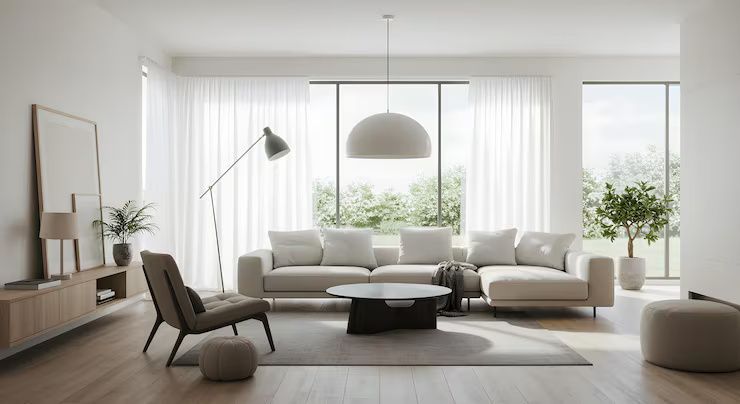
Understanding Minimalist Home Organization
Minimalist home organization focuses on simplicity, clarity, and intentional living. Instead of filling every corner, the goal is to create space that supports your daily life.
A well-organized minimalist home reduces stress and saves time. You spend less energy searching for things and more time enjoying your environment.
Key principles include:
- Keeping only essential and meaningful items
- Creating dedicated spaces for everything
- Avoiding over-storage and unnecessary containers
- Prioritizing functionality over decoration
This approach blends naturally with minimalist declutter habits, helping you maintain a tidy home without constant effort.
Why Minimalism Works in Everyday Life
A minimalist approach simplifies decision-making. When you own fewer items, you naturally reduce visual noise.
It also supports:
- Easier cleaning routines
- Better focus and productivity
- Improved mental clarity
Minimal home organization doesn’t mean empty spaces—it means intentional spaces.
Room-by-Room Minimalist Declutter Approach
Decluttering works best when you break it down into manageable sections. Trying to tackle everything at once can feel overwhelming.
Living Room: Keep It Open and Functional
Start by removing items that don’t serve a clear purpose. Decorative clutter often builds up here.
Focus on:
- Keeping surfaces clear
- Limiting decorative items
- Choosing furniture with simple lines
If something doesn’t enhance comfort or function, it likely doesn’t belong.
Bedroom: Create a Restful Space
A minimalist bedroom promotes better sleep and relaxation.
Keep only essentials:
- Bedding and pillows
- A few meaningful decor pieces
- Functional storage for clothes
Avoid piling items on bedside tables. A clear surface creates a calm visual effect.
Closet: Simplify Your Wardrobe
Closets are a major source of clutter. A minimalist home declutter starts here for many people.
Ask yourself:
- Do I wear this regularly?
- Does it fit my current lifestyle?
Keep versatile pieces and remove duplicates. This makes getting dressed faster and easier.
Minimalist Desk Organization Ideas for Better Focus
Your workspace directly affects productivity. A cluttered desk can lead to distractions and reduced efficiency.
Desk Organization Minimalist Basics
Start with a clean slate. Remove everything from your desk and add back only what you need daily.
Essential items might include:
- Laptop or computer
- Notebook
- Pen holder with limited supplies
Avoid keeping unrelated items on your desk. Even small clutter can disrupt focus.
Smart Storage Solutions for Desks
Instead of piling items, use simple storage methods:
- One drawer for essentials
- Vertical file holders for documents
- Minimal cable management
Keep storage hidden where possible. Visible clutter often leads to mental clutter.
Daily Habits for Desk Organization
Consistency is key to maintaining a minimalist desk.
Simple habits:
- Clear your desk at the end of each day
- Return items to their place after use
- Avoid accumulating unnecessary papers
These small steps make desk organization minimalist and sustainable.
Minimalist Kitchen Organization Made Simple
The kitchen is one of the busiest areas in any home. Without structure, it can quickly become cluttered.
Declutter Kitchen Minimalist Approach
Start by removing unused items. Many kitchens hold tools that are rarely used.
Go through:
- Utensils
- Appliances
- Pantry items
If you haven’t used something in months, consider removing it.
Minimal Kitchen Organization Techniques
Focus on efficiency and accessibility.
Practical ideas:
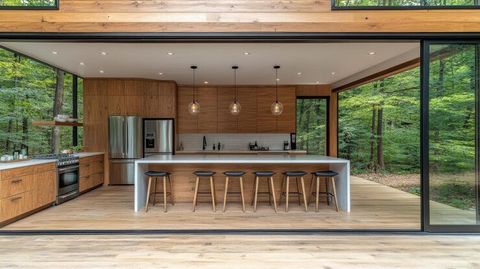
- Keep countertops clear except for daily-use items
- Store similar items together
- Use transparent containers for pantry organization
This makes cooking smoother and faster.
Kitchen Organization Minimalist Storage Tips
Avoid overfilling cabinets. Leave some breathing space.
Use these simple methods:
- Stackable containers
- Drawer dividers
- Labeling for easy identification
Minimalist kitchen organization is about clarity, not complexity.
Comparison Table: Cluttered vs Minimalist Spaces
Below is a simple comparison to understand the difference between traditional cluttered spaces and minimalist organization.
| Aspect | Cluttered Space | Minimalist Organized Space |
|---|---|---|
| Visual Appearance | Busy and overwhelming | Clean and calming |
| Cleaning Effort | Time-consuming | Quick and easy |
| Item Accessibility | Hard to find things | Everything has a place |
| Mental Impact | Stressful | Relaxing |
| Storage Approach | Overfilled and chaotic | Intentional and structured |
This comparison highlights how minimalist home organization improves both function and comfort.
Practical Tips for Maintaining Minimalism
Decluttering once is helpful, but maintaining it is what truly makes a difference.
Build Consistent Habits
Small daily habits prevent clutter from returning.
Try:
- Putting items back immediately after use
- Avoiding impulse accumulation
- Doing a quick daily reset
Consistency matters more than perfection.
Follow the “One In, One Out” Rule
When you bring something new into your home, remove something old.
This keeps your space balanced and prevents buildup over time.
Avoid Over-Organizing
Too many storage systems can create more clutter.
Instead:
- Use simple solutions
- Avoid unnecessary containers
- Keep systems easy to follow
Minimalist home organization should feel natural, not complicated.
Focus on Function First
Before adding any item, ask if it serves a purpose.
If it doesn’t contribute to your daily life, reconsider its place.
Common Mistakes to Avoid
Even with the best intentions, some habits can slow your progress.
Trying to Declutter Everything at Once
This often leads to burnout. Take it step by step.
Keeping “Just in Case” Items
These items rarely get used and take up valuable space.
Confusing Minimalism with Emptiness
Minimalism is about intention, not removing everything.
Your space should still feel personal and comfortable.
Creating a Personalized Minimalist System
Every home is different. What works for one person may not work for another.
Understand Your Lifestyle
Consider your daily routine:
- Do you work from home?
- Do you cook often?
- Do you need storage for hobbies?
Your organization system should reflect your habits.
Start Small and Expand
Begin with one area, like a desk or kitchen drawer.
Once you see results, expand to other parts of your home.
Adjust as Needed
Minimalist organization isn’t fixed. It evolves with your needs.
If something isn’t working, simplify it further.
Conclusion
Minimalist home organization is a practical way to create a more peaceful and efficient living space. By focusing on what truly matters, you reduce clutter and make room for clarity.
Start small, stay consistent, and build habits that support your lifestyle. Whether it’s adopting minimalist desk organization ideas or refining your minimalist kitchen organization, each step brings you closer to a simpler home.
The goal isn’t perfection—it’s progress. Over time, your home will naturally reflect a more intentional and balanced way of living.