Kitchen Space Optimization Guide for Better Storage
A well-organized kitchen makes daily cooking easier and more enjoyable. Even a small space can feel efficient when every item has its place. Kitchen space optimization is not about having a bigger kitchen—it’s about using what you have wisely.
In this guide, you’ll learn practical ways to maximize storage, improve layout, and create a clutter-free cooking area without making things complicated.
Understanding Kitchen Space Optimization
Kitchen space optimization means arranging your kitchen in a way that improves movement, accessibility, and storage. It focuses on using available space smartly rather than adding more items.
A functional kitchen supports your daily habits. When things are easy to reach and neatly stored, you spend less time searching and more time cooking.
Why It Matters
A well-optimized kitchen can:
- Reduce clutter and stress
- Save time during cooking
- Improve safety and cleanliness
- Make small kitchens feel larger
Even simple changes can create noticeable improvements in how your kitchen works.
Smart Storage Solutions for Everyday Use
Storage plays a key role in keeping your kitchen organized. The goal is to make use of every inch without overcrowding.
Use Vertical Space Effectively
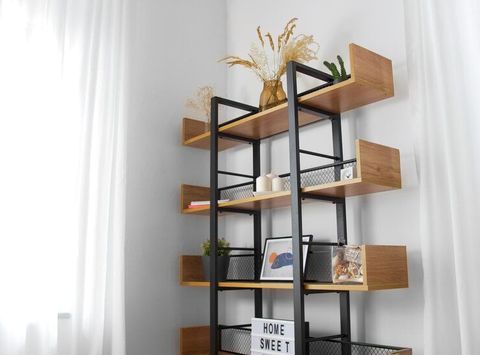
Walls are often underused in kitchens. Adding vertical storage can instantly free up counter space.
Consider these ideas:
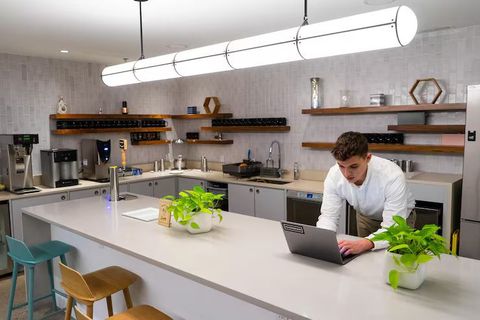
- Install wall-mounted shelves for frequently used items
- Use hooks for utensils, mugs, or pans
- Add magnetic strips for knives
Tall cabinets can also help store rarely used items at the top while keeping daily essentials within reach.
Optimize Cabinet Interiors
Cabinets can become messy quickly if not organized properly. Improving the inside layout makes a big difference.
You can:
- Use stackable shelves to create extra layers
- Add pull-out drawers for easy access
- Use dividers for plates, lids, and trays
These small changes prevent items from piling up and make everything easier to find.
Make Use of Hidden Spaces
Many kitchens have unused areas that can be turned into storage.
Examples include:
- Space under the sink for cleaning supplies
- Corners with rotating shelves (lazy susans)
- The inside of cabinet doors for small items
Hidden storage keeps your kitchen tidy without adding visible clutter.
Improving Kitchen Layout for Efficiency
An efficient layout helps you move smoothly between cooking, cleaning, and storage areas.
Follow the Work Triangle Concept
The kitchen work triangle connects three main areas:
- Stove
- Sink
- Refrigerator
Keeping these areas within easy reach improves workflow. You don’t need a perfect triangle, but minimizing unnecessary movement helps save time.
Keep Frequently Used Items Accessible
Think about what you use daily and store those items where they are easiest to reach.
For example:
- Keep spices near the stove
- Store utensils close to the cooking area
- Place plates near the dishwasher
This reduces effort and keeps your workflow smooth.
Avoid Countertop Clutter
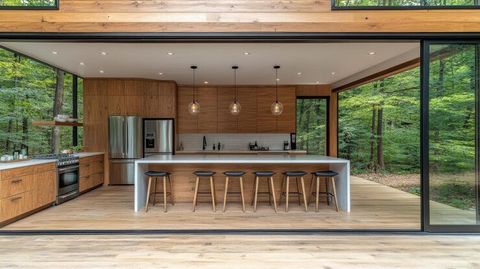
Clear countertops make your kitchen feel more spacious and easier to clean.
Only keep essential items on the counter, such as:
- A cutting board
- A few frequently used appliances
- A utensil holder
Everything else should be stored away when not in use.
Practical Organization Tips for Small Kitchens
Small kitchens need extra attention to detail. With the right approach, even limited space can feel comfortable and functional.
Choose Multi-Functional Items
Items that serve more than one purpose can save space.
Examples include:
- Foldable cutting boards
- Stackable containers
- Nesting bowls
These items reduce the number of things you need to store.
Use Transparent Containers
Clear containers make it easy to see what you have. This helps avoid duplicate purchases and keeps your pantry organized.
Labeling containers also adds clarity and makes everything easier to find.
Declutter Regularly
Keeping your kitchen organized is an ongoing process. Regular decluttering prevents buildup over time.
You can:
- Remove items you no longer use
- Check expiration dates
- Rearrange storage every few months
A clutter-free kitchen is easier to maintain and more enjoyable to use.
Kitchen Zones for Better Organization
Dividing your kitchen into zones can improve efficiency. Each zone is dedicated to a specific task.
Here’s a simple table to help you understand common kitchen zones:
| Kitchen Zone | Purpose | Suggested Items |
|---|---|---|
| Preparation Zone | Chopping and prepping food | Cutting boards, knives, mixing bowls |
| Cooking Zone | Cooking and heating | Pots, pans, spices, utensils |
| Cleaning Zone | Washing and cleaning | Dish soap, sponges, drying rack |
| Storage Zone | Storing food and supplies | Containers, pantry items, jars |
| Serving Zone | Plating and serving meals | Plates, bowls, serving spoons |
Organizing items based on zones ensures everything is in the right place when you need it.
Simple Habits That Make a Big Difference
Sometimes, small daily habits can have the biggest impact on kitchen organization.
Clean as You Go
Washing dishes and wiping surfaces while cooking prevents mess from building up. It keeps your kitchen manageable at all times.
Put Items Back Immediately
Returning items to their designated place after use avoids clutter. This simple habit keeps your kitchen consistently organized.
Plan Storage Based on Usage
Store items based on how often you use them. Daily items should be easy to access, while occasional items can be placed higher or deeper in cabinets.
Common Mistakes to Avoid
While organizing your kitchen, it’s helpful to know what not to do.
- Overfilling cabinets, making items hard to access
- Ignoring vertical space
- Keeping unused or duplicate items
- Using large containers for small items
- Placing frequently used items in hard-to-reach areas
Avoiding these mistakes can make your efforts more effective.
Conclusion
Kitchen space optimization is about making your space work better for you. With thoughtful storage, smart layout planning, and simple habits, any kitchen can become more functional and organized.
Start with small changes, like decluttering or rearranging cabinets. Over time, these adjustments create a kitchen that feels more open, efficient, and easy to use.
The key is consistency. When you maintain good organization habits, your kitchen stays practical and enjoyable every day.