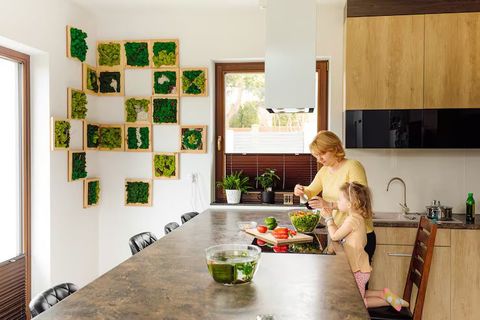
Kitchen Organization Guide: Smart Tips for a Clutter-Free Space
A well-organized kitchen makes everyday cooking smoother and more enjoyable. When everything has a place, you save time, reduce stress, and create a space that feels clean and functional. This kitchen organization guide walks you through simple, practical ways to arrange your utensils, cabinets, and pantry without making things complicated.
Understanding the Basics of Kitchen Organization
Before you start rearranging, it helps to understand how your kitchen works. Think about your daily routine—where you cook, prep, and store items. Organization is not about perfection; it’s about creating a system that fits your habits.
Start by grouping items based on use. Keep frequently used utensils close to your cooking area. Less-used items can go in higher or deeper cabinets.
Here’s a simple way to think about zones:
| Kitchen Zone | What to Store | Why It Works |
|---|---|---|
| Cooking Zone | Spatulas, ladles, pans | Easy access while cooking |
| Prep Zone | Knives, cutting boards, peelers | Smooth food preparation |
| Storage Zone | Dry goods, containers | Keeps pantry items organized |
| Cleaning Zone | Dish soap, scrubbers | Convenient for quick cleanup |
Creating these zones helps you understand how to organize utensils in kitchen spaces more efficiently.
How to Plan Your Kitchen Cabinets
Planning your cabinets is one of the most important steps in kitchen organization. Instead of randomly placing items, think strategically.
Start by emptying your cabinets completely. This gives you a clear view of what you have. Then, sort items into categories like cookware, utensils, and storage containers.
Once sorted, follow these guidelines:
- Place everyday items at eye level
- Store heavier cookware in lower cabinets
- Keep rarely used items in upper shelves
- Use stackable containers to maximize space
If you’re wondering how to plan your kitchen cabinets effectively, focus on accessibility. You should be able to reach what you need without moving too many things around.
Another helpful trick is to use cabinet organizers. Shelf risers, pull-out trays, and baskets can make even small cabinets feel more spacious.
How to Organize Utensils Drawer in Kitchen
Drawers can quickly become messy if not managed properly. Knowing how to organize utensils drawer in kitchen spaces can make a big difference in your daily routine.
Start by removing everything from the drawer. Clean it thoroughly, then sort your utensils into categories such as cooking tools, eating utensils, and specialty items.
Use a drawer organizer to create sections. This keeps items from mixing together and makes them easier to find.
Here’s a simple approach:
- Keep frequently used utensils in the front sections
- Store similar items together (e.g., all spoons in one section)
- Avoid overcrowding—leave a little space
If your drawer is small, consider keeping only essential items inside and moving the rest to another storage area.
When thinking about how to organize your utensil drawer, remember that simplicity works best. Too many compartments can sometimes make things harder instead of easier.
How to Organize Utensils Efficiently
Utensils are used daily, so they should be easy to access. Whether you have a large kitchen or a compact one, there are practical ways to manage them.
One of the easiest methods is to store utensils near where they are used. For example, keep cooking tools close to the stove and serving utensils near the dining area.
You can also explore these ideas:
- Use countertop holders for frequently used tools
- Hang utensils on hooks or rails
- Store extra items in labeled containers
If you’re trying to figure out how to organize utensils in kitchen spaces with limited room, vertical storage can be very helpful. Wall-mounted racks or magnetic strips can free up drawer space.
Another useful tip is to regularly review your utensils. Remove duplicates or items you rarely use. This keeps your kitchen clutter-free.
Pantry Organization Guide for Everyday Use
A well-organized pantry makes meal preparation faster and more efficient. This pantry organization guide focuses on keeping things simple and practical.
Start by removing everything from your pantry. Check expiration dates and group similar items together. This helps you see what you have and avoid unnecessary clutter.
Next, organize items by category:
- Grains and cereals
- Snacks
- Spices and seasonings
- Canned goods
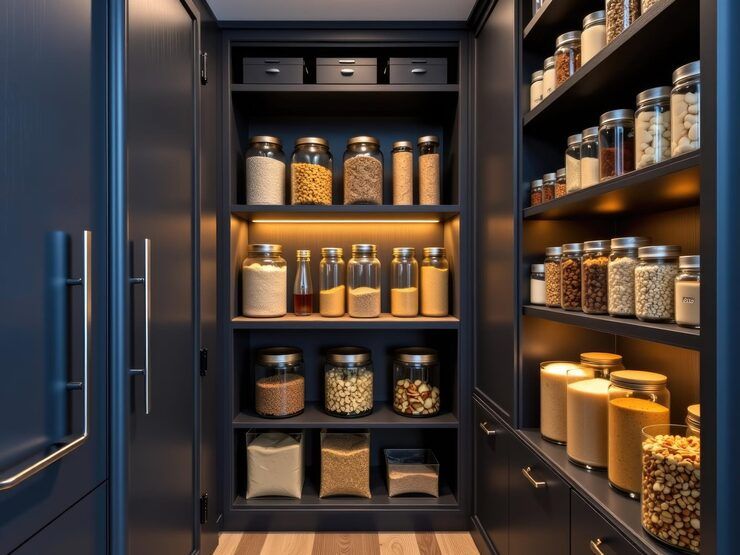
Use clear containers to store dry items. This not only looks neat but also makes it easier to identify contents quickly.
Labeling is another helpful step. Even simple labels can make a big difference in maintaining order.
Arrange items based on frequency of use:
- Daily items at eye level
- Backup supplies on higher shelves
- Heavier items on lower shelves
If space allows, use baskets or bins to group smaller items. This prevents them from getting lost or scattered.
Maintaining your pantry doesn’t require constant effort. A quick check every few weeks can keep everything in order.
Practical Tips to Keep Your Kitchen Organized
Once your kitchen is organized, the goal is to maintain it. Small daily habits can prevent clutter from building up again.
Here are a few practical tips:
- Put items back in their designated place after use
- Avoid overfilling drawers and cabinets
- Clean and reorganize small sections regularly
- Keep countertops as clear as possible
Consistency is key. Even simple routines can make a big difference over time.
If you share your kitchen with others, make sure everyone understands the system. This helps maintain organization without extra effort.
Final Thoughts on Kitchen Organization
An organized kitchen is not about having a perfect setup. It’s about creating a space that works for you and supports your daily routine.
By learning how to organize utensils, planning your cabinets thoughtfully, and following a simple pantry organization guide, you can transform your kitchen into a more efficient and enjoyable space.
Start small. Focus on one area at a time, whether it’s a drawer, a cabinet, or your pantry. As you build these habits, maintaining organization becomes much easier.
A well-arranged kitchen doesn’t just look good—it makes everyday tasks simpler and more pleasant.